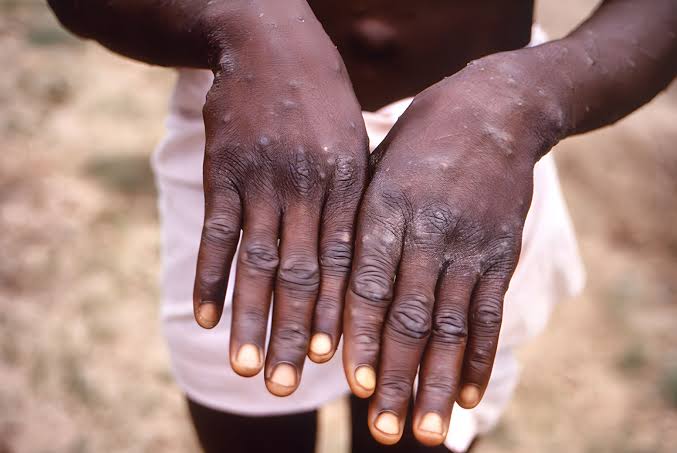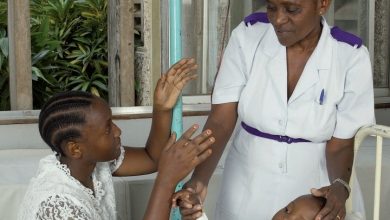
April 25 of every year marks World Malaria Day. Of course, not every disease has the chance to be marked in this way, meaning that any that does qualify is a global health threat indeed. Malaria is a disease that has plagued mankind since antiquity. Characterized by fever, headache, chills, joint pain, fatigue, and loss of appetite — and in severe cases, organ failure and neurological conditions that could lead to death — malaria puzzled physicians for ages until it was discovered in the 19th century that the Plasmodium parasite parasite, which is spread by the female anopheles mosquito, is the cause. And with this discovery, the tireless quest to eradicate malaria began.
For context, five species of Plasmodium parasites cause malaria in humans, namely P. falciparum, which is the deadliest; P. vivax, P. ovale, and P. malarae, which generally cause a milder form of malaria; and P. knowlesi, which rarely causes malaria in humans. P. falciparum is prevalent in Africa, while P. ovale is dominant in countries outside sub-Saharan Africa. According to the World Health Organization (WHO), an estimated 282 million malaria cases and 610,000 deaths occurred globally in 2024 – an increase of about nine million cases and 12,000 deaths compared to 2023. Africa bears the highest burden, accounting for 95% of both the cases and the deaths. Nigeria bears the highest malaria burden globally, accounting for approximately 24.3% of all cases and 30.3% of all deaths.
Antimalarials
As early as the 17th century, quinine, obtained from the bark of the cinchona tree was used to treat malaria. The treatment was effective until the malaria parasites developed resistance in 1949. In 1934, research for a substitute for quinine led to the synthesis of chloroquine. Like quinine, chloroquine was effective until P. falciparum developed resistance in 1957. Later on, in 1967, sulfadoxine-pyrimethamine was introduced. In that same year, however, P. falciparum developed resistance. Mefloquine, which was introduced in 1977, met the same fate in 1982. But, the introduction of artemisinin-based combination therapies (ACTs) in the 1990s marked a turning point in the fight against malaria.
ACTs combine a fast-acting artemisinin derivative, which rapidly reduces parasite numbers but is rapidly cleared from the body, with a longer-acting partner drug, usually lumefantrine, that eliminates the remaining parasites and protects against recurrence. This combination allows for short 3-day treatment courses that are both highly effective and well-tolerated. ACTs transformed malaria treatment in the early 21st century, significantly reducing global mortality. Resistance was thought unlikely until partial resistance against artemisinin was observed in the mid-2000s, placing pressure on the partner drug for effective treatment. Nevertheless, ACTs remain the most effective antimalarials, with artemether-lumefantrine (often sold under the brand name Coartem) being the most common. Notably, on April 24, 2026, the WHO prequalified the first artemether-lumefantrine formulation specifically for newborns and infants weighing 2kg to 5kg. Before now, the treatment of infants with formulations intended for older children was hampered by the risk of dosage errors, side effects, and toxicity. This new formulation closes a huge treatment gap for over 30 million babies born each year in malaria-endemic regions of Africa.
The Malaria Vaccine
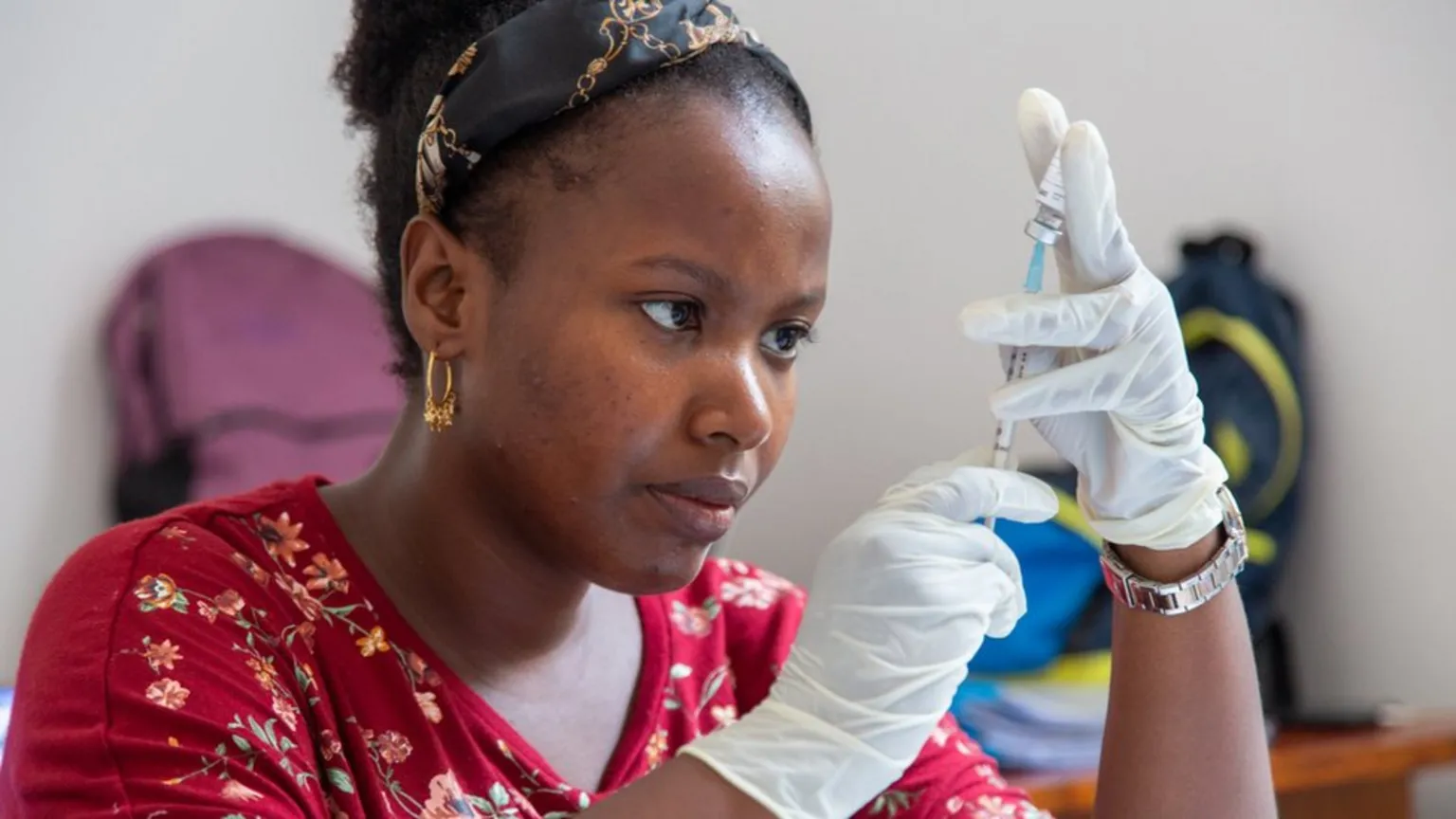
The malaria vaccine is the latest and perhaps most remarkable feat in the fight against malaria. As discussed in a previous article, the search for malaria vaccines began in the 1960s. The complex biology, life cycle, and genome of the Plasmodium parasite made this a daunting task. The parasite has a multi-stage life cycle and the ability to modify its genome to evade the human immune system. In a historic moment in 1987, scientists at GlaxoSmithKline (GSK) developed the first malaria vaccine, RTS,S/AS01. After decades of clinical trials, the WHO finally recommended the vaccine in 2021. Vaccinations began in three African countries – Ghana, Kenya, and Malawi – where more than 2 million children received the vaccine, resulting in a 13% drop in mortality and a 22% drop in hospitalization. The RTS,S set a precedent for vaccination in endemic regions. However, the vaccine was costly to produce; not only could GSK not meet the demand for the vaccine, the countries that needed the vaccine most could not afford it, even with contributions from donors.
Two years later, another malaria vaccine, the R21/Matrix-M, developed by Jenner Institute at Oxford University, was approved by the WHO. At a third of the price of RTS,S, it had the same mechanism of action and about the same efficacy. Production was thus efficient, as the vaccine was easier to manufacture, especially with a scale-up by the Serum Institute of India (SII), which committed to producing up to 200 million doses annually. SII also announced a technology transfer deal to produce the vaccine in Ghana. Côte d’Ivoire, Sudan, the Democratic Republic of Congo, the Central African Republic, Chad, and Nigeria were among the 15 African countries to roll out the R21 with the support of the Global Alliance for Vaccines and Immunization (GAVI). As of December 5, 2025, Nigeria had received one million doses of the vaccine, with 846,000 doses provided by GAVI and 153,800 doses procured by the Nigerian government. (In December 2025, Nigeria released ₦68 billion for co-financing vaccination with Gavi, who had supported with $103 million in October). The National Primary Healthcare Development Agency (NPHCDA) promptly adjusted the National Program on Immunization (NPI) schedule to include the malaria vaccine, which is to be administered to infants in four doses: the first at five, six, seven, and 15 months of age.
How Far Have We Come?
With the introduction of the malaria vaccine, coupled with existing effective antimalarials, improved rapid diagnostic tests, and other preventive measures such as environmental sanitation and the use of insecticide-treated bed nets (ITNs), it is pertinent to pause and ask: How far we have Come?
Globally, malaria cases declined by 25.6% between 2000 and 2015, from 79.4 to 59.0 per 1000 population at risk. Between 2015 and 2024, however, the incidence increased by 8.5%. In 2024, malaria case incidence was 64.0 per 1000 population at risk, representing a 2% increase from 62.7 per 1000 population at risk in 2023. Five countries – Nigeria (24.3%), the Democratic Republic of the Congo (12.5%), Uganda (4.7%), Ethiopia (4.4%), and Mozambique (3.6%) – accounted for almost half of all cases, while four countries – Nigeria (30.3%), the Democratic Republic of the Congo (11.1%), the Niger (5.8%), and the United Republic of Tanzania (4.3%) – accounted for almost half of all deaths. While this increase has been attributed to the growing population, several other factors contribute to slowing down progress. Even though 47 countries have been certified malaria-free and 37 countries reported fewer than 1000 cases in 2024, progress at the global level is stalling, with the situation worsening in low- and middle-income countries like Nigeria. It is believed that the malaria vaccine will accelerate progress, but how successful is Nigeria’s vaccination program thus far?
Nigeria received the first batch of 846,000 doses of the malaria vaccine in October 2024 and rolled them out to two states with the highest burden (Kebbi and Bayelsa). In the initial Phase 1 rollout from December 2024 to January 2025, 49,171 children in Kebbi and 9,377 in Bayelsa had received the first dose of the vaccine. Since this initial launch, the program has scaled significantly. By early 2026, the Federal Government expanded the rollout to include Bauchi and Ondo states, successfully reaching over a million children across the pilot regions with at least their first dose. However, the journey from the first dose to full immunization has been fraught with many hurdles associated with executing a nationwide health intervention.
The most immediate challenge is the declining numbers between doses. Health officials quickly noticed a concerning drop-out rate following the initial Phase 1 rollout. Ensuring parents return their children for the second, third, and crucial fourth booster doses has proven incredibly difficult, forcing primary healthcare workers to tighten follow-up systems to prevent incomplete vaccination, which is worse than no vaccination at all.
Logistic and storage constraints have also hindered progress. The vaccine requires strict cold-chain management, which is a daunting task in remote or rural communities plagued by poor road networks and erratic power supplies. The vaccines need to be stored at a temperature of 2-8 degrees Celsius. To prevent the vaccines from spoiling before they reach their destination, the government has had to scramble to upgrade its infrastructure, heavily investing in the solarization of Primary Healthcare Centers and procuring solar direct-drive refrigerators, alongside tens of thousands of vaccine carriers. Of course, these interventions are not without failures, with 3% and 4% wastage in the Phase 1 rollout in Kebbi and Bayelsa, respectively.
Equally challenging is the persistent issue of vaccine hesitancy. Rooted in ignorance, fueled by misinformation spread via social media, vaccine hesitancy has fostered skepticism in several communities. Rumors alleging that the vaccines are unsafe or tied to hidden agendas have led to outright refusal by some parents. Overcoming this barrier continues to require intensive engagement with traditional and religious leaders and healthcare workers to educate and rebuild public trust at the grassroots level.
Finally, the long-term sustainability of the rollout is threatened by massive funding cuts. While the initial rollout was heavily subsidized by international partners like Gavi, the cost of immunizing Africa’s most populous nation is massive. The United States who was the largest donor for health interventions such as vaccinations programs, including GAVI, withdrew from the WHO on January 22, 2026. As a result, funding is now severely strained. Securing continuous and adequate funding to scale the malaria vaccine to all 36 states remains one of the most critical hurdles for the years ahead. Because of these, the question, ‘How far have we come?’ meets a doubtful yet hopeful stare.
The Way Forward
Clearly, there is a need to first ensure that all available doses are appropriately administered. In other words, the number of children receiving the first should, as much as possible, be the same number at the fourth dose. To achieve this, follow-up systems must be enhanced, with mobile vaccination officials deployed where necessary. The issue of vaccine hesitancy should be tackled headlong through massive public awareness via radio and television programs and social media campaigns. Since the efficiency of the vaccine almost completely relies on the integrity of the cold chain, all distribution channels must have the capacity to store vaccines. Cold boxes must be made available, along with refrigerators that run constantly. Solar-powered fridge should be used in areas with erratic power supply.
The malaria vaccine is not a one-size-fits-all solution. We must not forget that it only covers children, not adults who are already past the age of receiving the vaccines. This is because adults have already have partial immunity and so are less likely to develop severity or die from the disease. Children carry the greatest risk. Moreover, large-scale clinical trials involved children, not adults. Therefore, other malaria prevention methods are equally important. Egypt, for example, employed such methods to become malaria-free. Nigeria can follow suit. Malaria control efforts must be taken more seriously. These include promoting environmental sanitation, sleeping under ITNs(Insecticide-Treated Nets), using insecticides and repellants, ensuring early diagnosis and full treatment, giving malaria prophylaxis to children belonging to age groups at high risk of severe malaria, and giving prophylaxis to vulnerable children (especially during the rainy season). Egypt, for example, employed such measures to become malaria-free.
If other countries, especially African countries, have achieved malaria-free status, even before the existence vaccines, Nigeria can too. Widespread awareness campaigns must be undertaken to educate the public on malaria prevention measures, including vaccines. The need for improved infrastructure and adequate funding, particularly to scale up the ongoing vaccination program, cannot be overemphasized. Malaria remains an urgent threat; it must not be overlooked, and we must not collapse under the weight of stalled progress. With a relentless effort, Nigeria can shift from being a country with the highest disease burden to becoming malaria-free. It’s another April 25, and as this year’s World Malaria Day theme declares: ‘Driven to End Malaria: Now We Can. Now We Must.’