Tuberculosis is a deadly infectious disease that has plagued mankind since antiquity, but it was only until March 24, 1882, that Robert Koch identified the bacteria that causes it. So important was this disocovery that it earned him the Nobel Prize in Physiology or Medicine in 1905. Thirty-nine years later, Albert Calmette and Camille Guérin developed the first tuberculosis vaccine known as Bacillus Calmette-Guérin (BCG). Given improved diagnostic tools and treatment over the years, one would expect that tuberculosis should have been eradicated by now, but this is not the case.
According to the World Health Organization (WHO), tuberculosis is one of the top 10 causes of death worldwide and the leading cause of death from a single infectious agent followed by COVID-19. In 2024, an estimated 10.7 million cases and 1.23 million deaths were recorded. The top eight countries affected were India (25%), Indonesia (10%), the Philippines (6.8%), China (6.5%), Pakistan (6.3%), Nigeria (4.8%), the Democratic Republic of the Congo (3.9%) and Bangladesh (3.6%). 54% of people who developed TB were men, 35% were women and 11% were children. There was a 12% net reduction in tuberculosis rate from 2015 to 2024, but this is far from the End TB Strategy target of an 80% reduction by 2030. Nigeria has the highest tuberculosis burden in Africa and ranks sixth globally, with an estimated 590,000 new cases and 245,000 deaths annually.
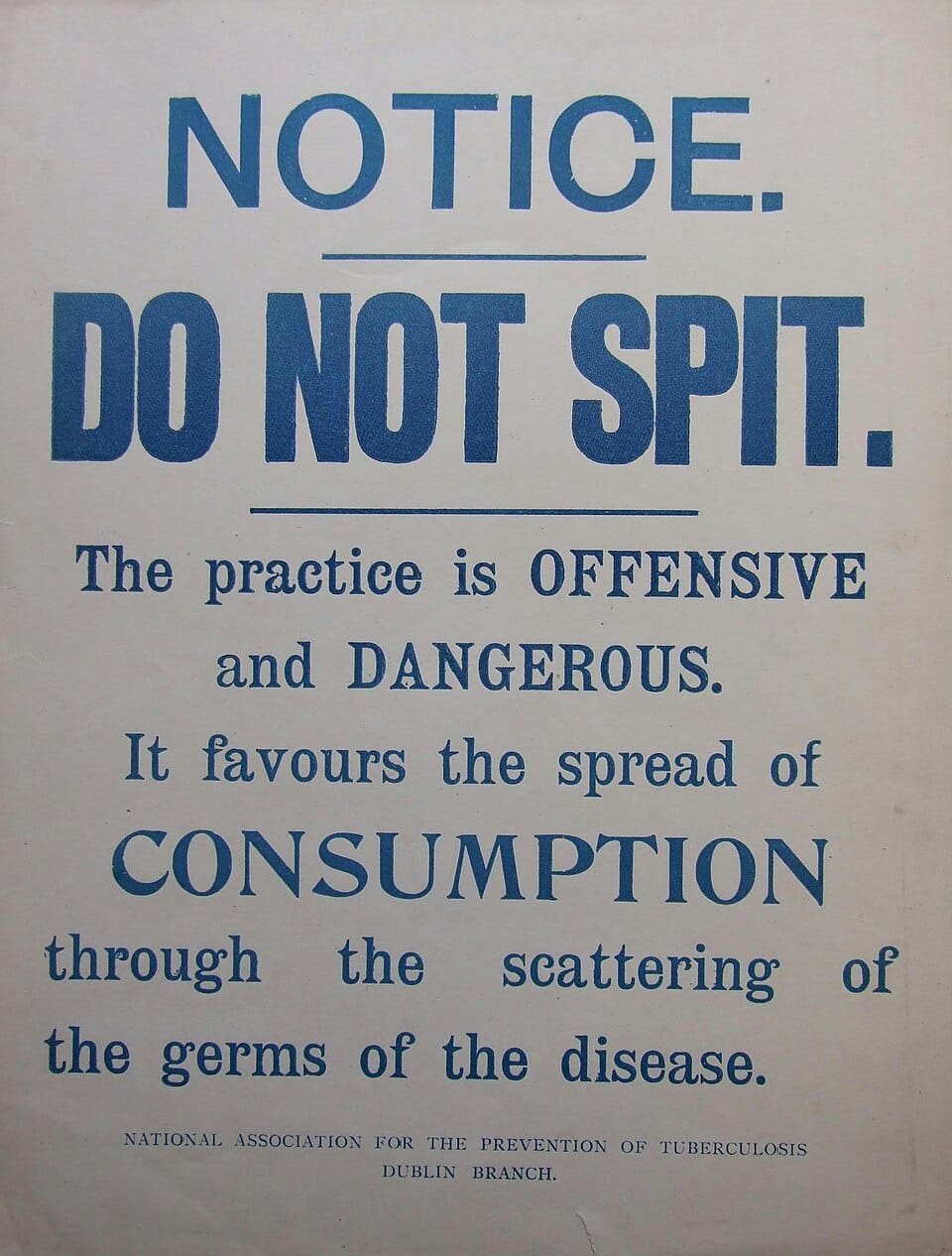
Tuberculosis is caused by Mycobacterium tuberculosis. It generally affects the lungs (in over 90% of cases), but can also affect other parts of the body. Most infections show no symptoms, a condition known as latent tuberculosis. About 5-10% of latent infections progress to active disease which, if left untreated, kills about half of those infected. The common symptoms of active tuberculosis include chronic dry cough, usually with blood-containing mucus, fever, night sweats, fatigue, poor appetite, and weight loss. It was historically called “consumption” due to the weight loss.
The disease spreads from one person to another through the air when people who have tuberculosis in their lungs cough, spit, speak, or sneeze. People with latent tuberculosis do not spread the disease. The probability of transmission depends on several factors, including the number of infectious droplets, the effectiveness of ventilation, the duration of exposure, the virulence of the M. tuberculosis strain, and the level of immunity in the uninfected person, among others.
The risk factors of tuberculosis include HIV/AIDs, overcrowding, malnutrition, chronic lung disease, alcoholism, and diabetes mellitus. HIV/AIDs is the most important risk factor globally, as over 13% of people with tuberculosis are also infected with HIV. This is a serious problem in sub-Saharan Africa, where rates of HIV are high as active infection occurs more often in people with HIV/AIDs than in those who smoke. Overcrowding is a risk factor because it increases the spread of tuberculosis, and so is malnutrition because it weakens immunity, resulting in the rapid progression of latent tuberculosis to active tuberculosis.

Vaccination remains the most effective way to prevent tuberculosis. The BCG vaccine is the only approved vaccine for tuberculosis, with over 4 billion doses since it was developed in 1921. There are over 18 tuberculosis vaccines in clinical development, including six in Phase 3 trials. With the help of vaccines, the rate of tuberculosis has reduced significantly. However, vaccine hesitancy, poor coverage, and weak vaccination efforts by governmental and health institutions hinder the elimination of the disease. To reverse this ugly trend, we need to raise more awareness and revamp vaccination efforts.
Another effective way to control tuberculosis is regular screening, especially when symptoms appear, or when an outbreak is suspected. The earlier the diagnosis, the more effective the treatment. To this end, the Nigerian government, through the National Tuberculosis and Leprosy Control Programme, should ensure the availability of diagnostic and treatment services, particularly in underserved regions where the disease burden is greatest.
The fight against tuberculosis has dragged on for far too long. We cannot continue this way. We cannot continue to shout “Yes! We can end tuberculosis” yet do nothing. We must, instead, intensify our efforts to end the scourge.