“I have been diagnosed of nasopharyngeal cancer.”
This was the shocking news my close friend disclosed to me while we chatted on Facebook. It was barely two years after we graduated from secondary school. I just couldn’t believe it. But he is too young, I thought aloud.
“Are you serious?” I asked, hands trembling.
“I myself am still bewildered,” he replied. “Here are my hospital pictures.”
Then the pictures came, and almost immediately, I gasped! There in the pictures was my friend lying unconscious in a hospital bed. Beside him was a test tube containing a sample of the tumour they had just excised from swollen lymph nodes in his neck. I was speechless. Time seemed to have paused.
“I have deferred my admission year for treatment,” He continued, breaking the silence.
That was when I came back to my senses. I remembered the years we spent together in boarding school, from the bowls of garri and groundnut we shared to the mathematics and physics problems we solved. We both had just gained admission – he, to study radiology, and I, to study medical laboratory science. My heart rate quickened and different thoughts raced through my head.
“I’m really sorry,” I said after typing and deleting the same message over and over again.
“Thanks,” came the curt reply.
“So, how is treatment progressing?” I asked, trying to sound bold.
“The biopsy results stated that radiotherapy is the best solution to the cancer,” he replied. “My parents are still trying to raise over 1.2 million naira for the treatment.”
Cancer occurs when cells in the body grow uncontrollably and form abnormal masses of tissue called tumours. When these tumours invade surrounding tissues or spread to other parts of the body via a process called metastasis, they are described as malignant. Tumours that do not spread are termed benign. However, benign tumours are likely to become malignant. Widespread metastasis is the primary cause of death because it makes cancer increasingly difficult to treat. If detected early, many cancers can be effectively treated. Unfortunately, however, early detection and effective treatment are rare.
According to the World Health Organization (WHO), cancer is a leading cause of death globally, accounting for over 10 million deaths as of 2022, of which approximately 70% are from low- and middle-income countries (LMICs). There are several types of cancers but the most common include, lung, breast, colorectal, prostrate, skin, liver, and stomach cancers. An estimated one-third of cancer deaths are attributed to tobacco use, air pollution, high body mass index, alcohol consumption, low fruit and vegetable intake, and lack of physical exercise. Some infections, such as human papillomavirus (HPV) and hepatitis B, can cause cancer.
In 2022, the incidence and mortality rates differed for both sexes. Men were over 35% more likely to die from cancer than women. For women, the most common cause of cancer deaths was breast cancer followed by lung and colorectal cancers. Cervical cancer, which exclusively affects women, was the eight most prevalent cancer globally. Over 660,000 new cases and about 350,000 deaths occurred, of which 94% were attributed to LMICs. The disturbing observation that cervical cancer is vaccine-preventable yet alarmingly high spurred the WHO Cervical Cancer Elimination Initiative.
Late detection and limited access to treatment remain the major reason why the global cancer burden is highest in LMICs. In Nigeria, for example, infrastructural deficits (especially in Primary Health Care Centres) and low insurance coverage worsen outcomes. In fact, Nigeria’s National Health insurance does not cover cancer care despite the catastrophic cost involved. Diagnostic tests, such as CT and MRI scans are either unavailable and unaffordable for a vast majority, not to talk of treatment. It is then not surprising that 127,763 new cases and 79,542 deaths were recorded in 2022 alone.
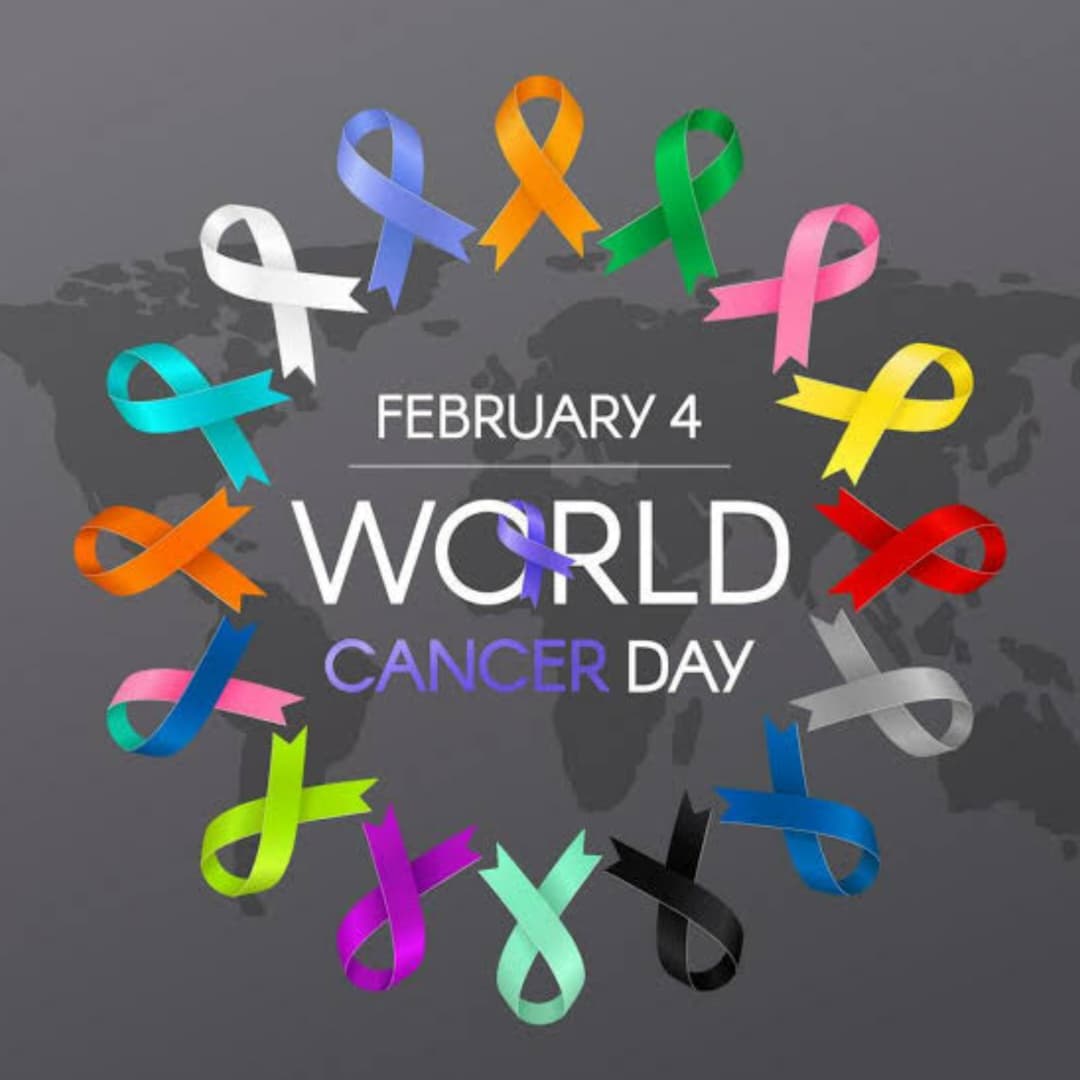
Beyond the statistics, World Cancer Day 2026’s theme – United by Unique – reminds us to place people at the centre of care and their stories at the centre of the conversation. Millions of people suffer from cancer globally and they deserve care and support. The obligation to provide care is best appreciated when we realize that anyone, anywhere could be a victim of cancer, even in the most unlikely situation. We must raise awareness about cancer, and advocate for global efforts towards ensuring early detection and effective treatment. We must also embrace preventive measures such an healthy eating habits, regular exercise, routine medical check-ups, tobacco avoidance, reduced alcohol consumption, widespread HPV and hepatitis B vaccination, and protection from excessive UV radiation exposure.
After a gruelling experience (which I hate to remember), my friend unfortunately did not make it. But he did win the fierce battle against cancer because he remained relentlessly hopeful. His story, like many others inspires a resolve to continue the fight against this notorious disease. Most of these stories are hidden in quiet hospital wards, diagnostic laboratories, and operating theatres. We must learn to tell them, to support those affected, and to continue finding a cure – while prioritizing prevention.