
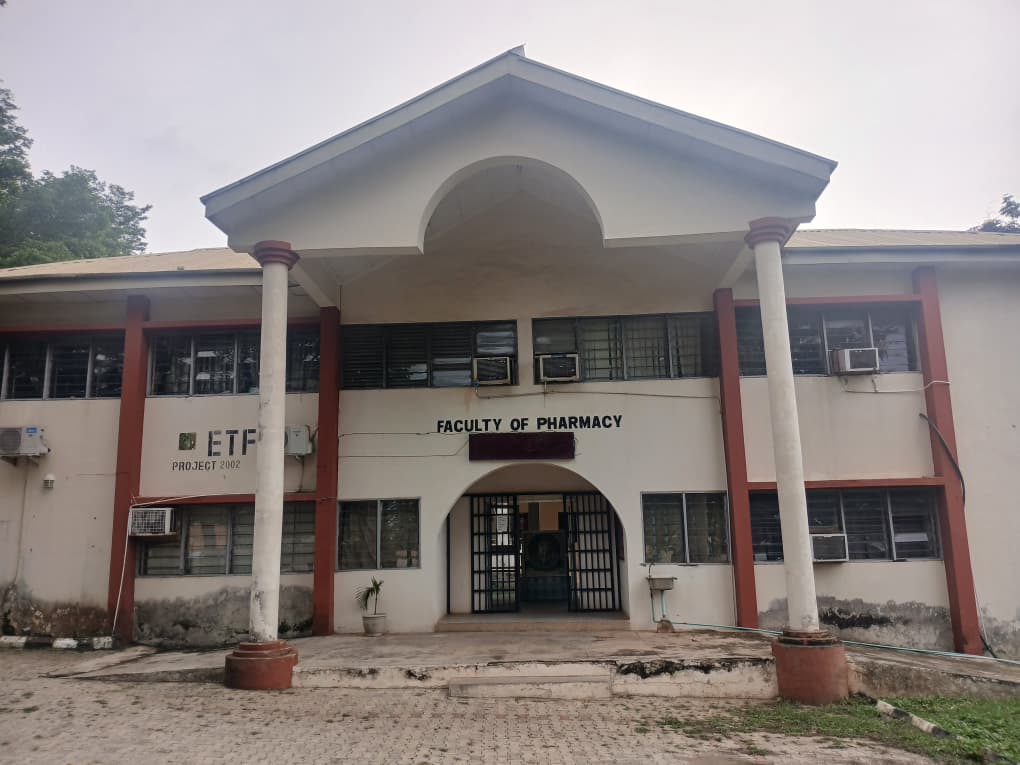
Fear is real. It is a very profound and resonant concept, also. How we deal with it however differs but it persists, regardless of efforts and intentions and sometimes, because of that effort or intent, it persists. Atychiphobia is a constant in the subconscious of the average student, whether it’s the 400 level medical student that got in after three UTME exam trials, or the final year medical student that got in, in one sitting. It’s there.
You might not even come to the consciousness of it as a medical student until preclinical school when you realise that the aggregate of your anatomy CAs is barely over a quarter of the full mark. For some other people, their first introduction to failure is when they run their left index through the picture of the part I MB results, zooming in and out in succession, and realising that their matric number isn’t there. As tragic as that sounds in isolation, when you consider the context of CA scores and aggregates, self-evaluation of performances at the MB exam, and the possibility of a special line in viva — which the class can quickly tell its purpose, that singular heartbreaking outcome after zooming out is oft-anticipated.
If you are reading this as a medical student, your memory is probably juggled – or perhaps in fear as you see your first MB lurking at the door. And as a Pharmacy student? Yes, sounds quite triggering. Because this is about Pharmacy, let’s talk about Pharmacy school. A resit experience is gory, no matter how much comfort comes in words and actions. It’s even worse knowing that there’s a chance of dropping off your class if you fail the resit exams. Oladele* has been down that road multiple times across his journey in Pharmacy school but he still holds his head high, hoping to cross the finish line. “I failed 6 courses in 200 level, 3 courses in 300 level, 6 courses in 400 level, I hope not in 500 level,” he says. That is a cumulative of 15 resits across three levels, that’s how common the numbers are in UI Pharmacy school. But before it became a race against time, failure, and toxicity for these students, how did Pharmacy come into the picture for them?
Among a sample size of random thirty-two students, only twenty-one knew they wanted to do Pharmacy before their UTME exams, the eleven left, ended up there due to reasons varying from impulsive choices at registration centres, genuine interest, parental influence, and the circumstance of falling short of the cut-off mark for Medicine and Surgery.
As much as intention plays a major role in preserving interest in school, evaluating current interest is a more important factor. Six of the initial twenty-one that intentionally chose Pharmacy and three of the eleven that ended up in Pharmacy no longer enjoy studying it. “The schedule is choking, no sympathy from lecturers, and it is not helping matters as long as one or two students can give them A,” Christianah* explains. “The whole structure and system of learning doesn’t make it enjoyable. The pressure, examination format, and most especially the need to really know your slides almost word for word is really disheartening. No time to diffuse in one concept after the other. The daily class schedule of 8am to 5pm is really a terrible idea too,” Shade* pours her out. For Timilehin*, it’s as simple as “I hate it here.” Common themes remain overbearing academic workload, limiting structures, and lethargy.

When interest wanes or is completely lost, struggle becomes the new normal, and for a course so demanding like Pharmacy, failure is the highest heights of struggles. Oladele’s multiple resits isn’t unique, sadly. “Pharmaceutical Chemistry (PCH) 211 in 200 level and PCH 311 in 300 level. I don’t like Pharm Chem and find it difficult. Pharmaceutics (PCT) practical in 300 level because my lab exercises were quite low,” Felix* says. “PCH, PCT, happened due to insufficient time to understand the concept behind the courses,” Korede* adds. PCH and PCT came up in many other responders’ accounts, due to varying reasons like lack of understanding, bulkiness, know-how on giving the lecturers what they want, most of which they attributed to a common factor – time constraints. Some recorded failures in non-Pharmacy courses like Anatomy and Biochemistry. The most unfavourable of all is successive failures leading to repeating the class. “I failed a dispensing course in 300 level, PCT 313 and I’m currently repeating 300 level. I would say the problem was I never really grasped what was being done in the lab, coupled with the intense pressure during the sessions,” Segun explains.
Time constraints popped up a little too much to be ignored. This begs the question of the insufficiency of eleven lecture weeks for students in Pharmacy school. It takes having a friend or two in Pharmacy school to have heard complaints about how Pharmacy should adopt a calendar independent of the University’s calendar, just like medical and dental students have it at the College of Medicine, University of Ibadan. These responders didn’t share opinions any different. Oladele thinks “it’s really draining and poor. It’s really unfair. There is a lot to cover within short weeks, we don’t even have time to rest. Sometimes we can do 2 tests or 3 tests within a day, that’s too much. It’s really draining and not nice.” It goes on to affect the urge and will to engage other interests as it should be. “It’s not really favorable, we have a lot to cover and the time is really short, making us burnt out and having no time for other interests,” Mercy* points out. For Timilehin, it’s simply “unreasonable”, for Immaculate*, it is “suicidal.”
Princess* sounds detached already, she can’t wait to get out. “It’s bad, considering the workload. However, since I wanna get out of this shithole asap, I genuinely won’t mind if a semester is five weeks. Whether it’s longer or shorter, it won’t change anything anyway lol. If it’s longer, they just find more things to add to the pre-existing torture. No point really. That might sound selfish, probably because I don’t like it here.” Uloma* desperately needs an overhaul but feels helpless about the situation. In her words, “It is absolute nonsense, in my opinion. The curriculum increased yet there was a shrink in the academic calendar to 11 weeks. Lecturers are feeling the heat, just blabbing down topics in few minutes, leaving the students to go read a bulk of things themselves, of which we don’t even know where to start from because there’s no time.” It gets ridiculous when you consider the sacrifices and schedules that are still glaringly insufficient to cover syllabuses.“We will be at the faculty 8 am to 6pm, Monday to Friday, Saturday inclusive, attending lectures, practicals back to back, no rest, nothing. You come back to the bulk of little info that were touched during the day and still never cover. But anyways, guess there is little to nothing that we can do but to survive,” she adds.
One or two responders don’t have a problem with the current calendar but it reflects a minority of the large faculty. And since majority that think otherwise feel helpless and realise the need to just survive through it, coping mechanisms come into the picture. It’s a constant race against time but Williams* sets his own pace. “Actually I just do my work bit by bit making sure I try to progress no matter how slow it takes. And yeah I prioritize every time and moments,” he says. Fear, in one of it forms, pushes Shade to keep going. “The realisation that I don’t want to spend an extra second here is all the motivation I need to do. I stretch myself to bring things be.” In surviving, Christianah tries “not to get overwhelmed.” Some do their bits and turn to their God to crown their efforts while another group depends on intercession and motivation from family and friends, instead. Surprisingly, “procrastinating and idling away on YouTube and mobile games” does the trick for Felix.
Abdulkabir does not even have a coping mechanism, he just does the work somehow while Segun admits that he is not coping at all. “I crash on my status every now and then and when I don’t feel like doing that, I pen down my frustration,” he adds. Princess adds good homemade food in her mix, “God, family, friends and putting myself together when it gets tough. I’ve learnt not to hold it in and just crash out when I’m tired. Good homemade food too, when I have the time of course.” David* finds no other mechanism than picking it up as early into the semester as possible. “I read from the second week or third week of resumption and I study with someone during test and exam period and God helps me a lot tooo,” he says. Tope* had to make a hard choice, “I cut out extra curricular activities and sleep to make time to read.” It isn’t any different for medical and dental students. A single mechanism may not be universal, but the variety very much is.
Even with the coping mechanisms, sometimes, situations reach the extremes and test the limits of a lot of people. Only thirteen of thirty-two responders said they have never had thoughts of dropping out, with fear of what breaking the news at home would look like being the reason for some gating their minds. For the twenty-one others, the thoughts have trickled into their minds, albeit at varying frequencies and intensities. Such thoughts aren’t strange to Segun, who is now a class behind his mates, “Yes, I have had thoughts of dropping out. The thought was influenced by the realities of Pharmacy school, particularly the fact that I don’t feel like I’m learning anything that I would be able to employ in practice. I’m not learning as I’d want to.” It gets even deeper and emphatic for Princess, “The stress, the trauma of seeing your close friends drop out, losing friends cos you’re unavailable, losing romantic relationships cos you’re just emotionally off and barely present. Genuinely, it feels suffocating so yes, I’ve had times I wanted to just leave and go somewhere to breathe.”
Aderonke* says the thoughts pop everyday and she is even further triggered by some insensitive comment from someone in another department. In her words, “Everyday, especially when someone from English department say we are going through the same thing. lol, do two labs daily and see if you won’t crash. I want to cross to Marketing or something.” It seems more like sunk cost fallacy for David, “I’ve questioned myself so many times, why I chose pharmacy, but then I don’t see myself doing something else so I stuck with it. No other course seemed appealing to me.” For many others, they’ve gotten over the thoughts with constant reminders that they are too close to graduating and turning back feels like a regrettable decision. Some attribute staying put to God’s grace.
Amidst the coping mechanisms and unwelcome thoughts, there’s a different type of pressure on repeat students who don’t have the luxury of chance as their peers. Oladele didn’t technically repeat but deferred in 200 level but he still feels the pressure. “I deferred in 200 level, when I was really faced with mental health illness. It was a lot I can’t share it all. How I battle with pressure; determination, God’s word and backing,” he explains. For Segun, “As for the pressure, I have had several crash out sessions. I still get depressed most times. But I have realized that I just have to push through. If I’m going to remain in Pharmacy school, I’d have to force my way through, unfortunately. Also, I write when I feel too pressured. I also talk to my close friends about it.” Immaculate thinks the pressure is a lot because there are no structures in place to help repeat students. The fear of it like drives Aderonke mad. “I will probably commit suicide if I do. Not because of reputation or any shit. But if I have to retake anatomy again, I will probably kill myself. I don’t want to see my courses again once I am done with them. It feels unreal that I am in a new level now, I am still not used to saying the new level especially because a lot of people dropped. It feels weird.”
If one has to go through these experiences, deal with numerous thoughts, watch their mates drop behind them, it’s a no-brainer that people’s mental health are in the pits. As a result, one would expect that mental health awareness in such systems is at a considerable level but that isn’t the case in the Faculty of Pharmacy. “Looks more like a cliche word rather than something that should be taken more seriously. Everybody just throws the word around even the lecturers and they end up increasing the mental load on students,” Williams thinks. For some responders, it’s just piss-poor — no euphemisms, no sugar-coating. Uloma places it on a score of 1, one a scale of 1-10 — from how bad to how well. “Faculty that will be doing mental health seminar after exam. Medicine after death. Infact, no mental health awareness seff. It only comes from sub organization under PANS. like the Public Health Team, PANS UI, PANS PRESS and others like that,” she says. Princess corroborates, “Mental health? They teach us about depression after we have felt it. I personally survive semesters with hospital visits and drugs. The irony…using drugs to study drugs but anything to pass. Mental health? Nobody cares lol.”
Many other people confirm that it’s there, somewhere in the air albeit faintly, somewhere on paper, but forgotten. For all of the considerable level of awareness is described by some responders as the existence of some programs and fliers, it doesn’t translate to the lives of these students. “Horrible as hell. The mental health rep for one organisation wrapped it up when pressure almost swallowed her,” Aderonke says, on mental health awareness.
In the search for help, how beneficial are the systems in places? When asked, twelve of thirty-two responders are not aware of the UI counselling unit. Another thirteen are aware of the unit but have never used it before. Of the remaining seven that have experienced the services, directly and indirectly, they don’t have positive things to say about it. “Once in 100L. Terrible. I never went back. Some of my coursemates say it’s better now tho but I’m not interested anymore. I’ll make it out of here somehow, on my own, as always,” Princess shares. “I once followed a friend for counselling in jaja idk if its the same with the counselling and they were literally compounding the problem clearly they weren’t professionals,” Dammy* adds. The numbers and experiences says something about how many people view the recognised mental health counselling unit in the university. And in all of these, one is tempted to ask, does the faculty even care, especially about the occurrence of resits? Nineteen of thirty-two responders answered in the negative and close-variants. Three aren’t sure. The remaining ten think they do, although some think it’s just words and not in action while some others admit that they are trying to reduce the rates of resits. “A lecturer literally said he enjoys it student repeating (I dont know if he meant it or not) but the fact remains a lecturer said he loves it when students fail and repeat and I know people who were hurt by that (resits results weren’t out and imagine hearing that from a lecturer when you’re in a class currently let’s say week 4 and still don’t know your fate and if you’ll be continuing the class or repeating),” Dammy says.
In the same survey, fifteen of thirty-two responders have had suicidal thoughts before. That’s a staggering 47%, for a decision that is as difficult and final as death is. In a larger survey involving more students in the faculty, it will not be far-reaching to make an assumption that the percentage goes even higher.

On the way forward, majority thinks that either the faculty’s curriculum needs a complete overhaul or that the faculty should operate on a calendar independent of the University’s. “The Faculty of Pharmacy, UI, needs serious and comprehensive reforms. A good start would be advocating for a more relaxed academic calendar that would ensure there’s enough time for lectures to be taught, practicals to be held, and for students to assimilate. There’s also the place of mutual understanding between Lecturers and students,” Segun shares. In Princess’ words, “They need to give us grace and be humane. Yes, humane. They can be so insensitive sometimes and treat us like we’re kids who have the entire world at our feet. We’re grown-ups dealing with life too, we shouldn’t be treated like we have it all rosy and school is the only thing we live for.” A responder in their third year thinks that intentionality and kindness will go a long way. “The faculty should stop being indifferent when it comes to borrowed courses like Anatomy, Biochemistry …they can at least plead for us in some cases. Lecturers should be a little kinder,” they add.
Life in the Faculty of Pharmacy is either not what you think it is or even worse than you think it is. Either way, a good number of students are not enjoying their time there, and for a discipline that is directly involved in the care of humans, these students shouldn’t have to look back at their undergraduate years and regret pursuing a career they longed for. Before long-term shifts like adoption of a separate calendar or elongation of lecture weeks, behavioural changes like intentionality in relation with students, kindness during interactions, honesty in faculty meetings, and patience when instilling knowledge go a really long way in helping students become far better versions of themselves. It’s incredibly archaic-minded to derive joy in seeing students fail, resit, or repeat classes, in a system that is inherently designed to cause that. It is not a true test when you have a single-digit number of students scoring a little above 60 in an exam graded over 100. It’s not academic heritage when no one gets a distinction in a record number of years. The world is fast-moving, and if students are still paying to study with their mental health, we are closer to the pits than where we need to be as a functional society.
PS: Names* were changed to protect the identities of the responders.




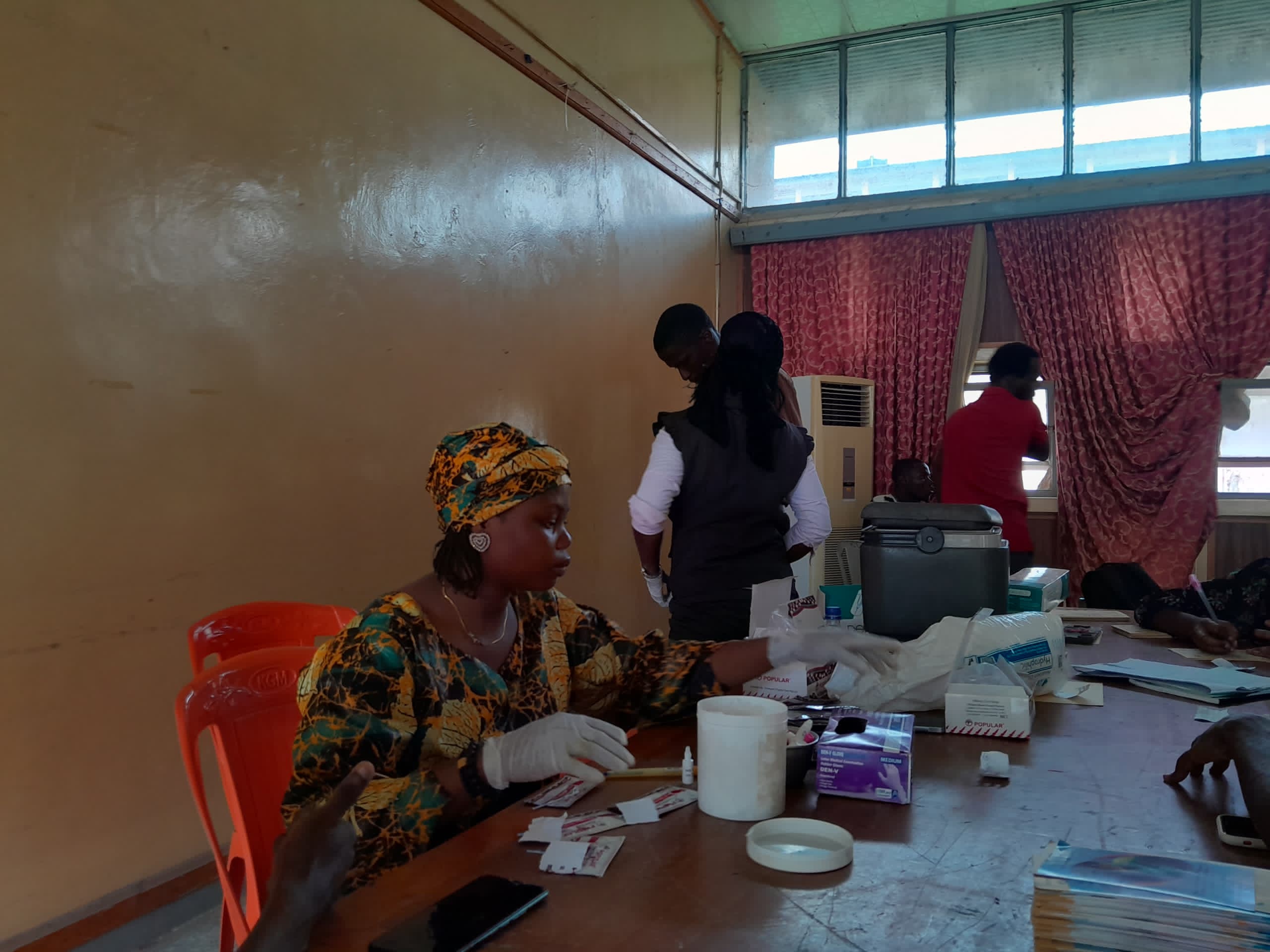

whoa! I finished it… all I can say is SEND HELP, suffering is becoming an understatement atp.
I don’t even know what to say. It’s the same in medical school over here. I wonder if they think it’s okay to have students commit suicide after every MB exams.
It’s not okayyyy! 😭
What I read about Pharmacy department really touched me. Is there any way lecturers can be made to know what students are passing through.
As a parent I sympathise with you all, God will grant the HOD and lecturers in the department wisdom on how to run the department well.
Our children will not break down in Jesus name.