
It is that time of the year when you notice the air turn cold, dry, dusty, and sometimes, windy. A fine layer of dust settles on roofs, roads, grasses, and trees. You see some students with dry, whitish skin – often the penalty for not moisturising. Some have cracked lips, some catarrh, and some a running nose. Hoodies are a common sight, and sometimes socks too. While sleeping at night, many snuggle and tightly clutch pillows and blankets. Such people, before having morning baths, would look pleadingly at the bucket of water, unless it happened to be warm. Once you notice these signs, then the Harmattan Season has come visiting!
What exactly is this season?
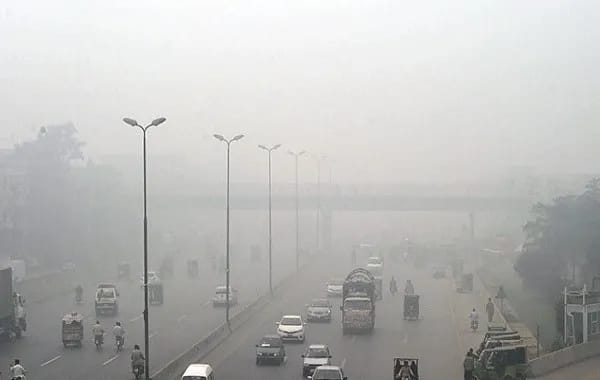
Harmattan is a season in West Africa that usually occurs between late November and mid-March. However, due to the direct impact of climate change and resulting shifts in atmospheric pressure systems, the season in Nigeria is changing in timing, becoming shorter, later, and more unpredictable hardly showing up at the end of 2025 and joining us late January 2026. It is characterized by a cold, dry, dusty wind that blows from the Sahara over West Africa, as well as reduced or absent rainfall. The temperature is usually cold at night but can be very hot at certain times during the day. To stay healthy, we must learn to overcome the season’s challenges while harnessing its benefits.
The Challenges
For some, harmattan is the best season simply because the cool breeze is refreshing and the dry weather brings relief from the wet and disruptive rain. However, harmattan comes with its unique set of health problems. Some of the most common include:
- Respiratory and Eye Irritation: Inhaling the dusty air of harmattan can irritate your respiratory tract, making breathing difficult or uncomfortable. Similarly, the dust can irritate your eyes by causing redness, itching, and a gritty feeling of dirt. These irritations can lead to infections.
- Dry Skin and Lips: The low humidity of the harmattan air can cause water to evaporate quickly from your skin, making it dry and whitish, especially when you fail to apply lotion. The same thing can happen to the lips, which are even more vulnerable; without adequate care, they can dry out, crack, and become painful, making smiling and talking unbearable.
- Cold, Catarrh, and Running Nose: Fluctuating temperatures – cold nights and hot afternoons – combined with the dry, dusty air, can weaken the body’s defence in the upper respiratory tract. This increases susceptibility to the common cold, persistent catarrh, and a running nose that never dries.
- Allergies: For students with asthma or other health conditions that can be triggered by allergies, harmattan could be challenging. This is because the wind carries dust, pollen, and other allergens that can trigger asthmatic attacks. As a result, extra care is needed to avoid these allergens.
- Dust Invasion: This is the battle you fight every day, no matter how neat and tidy you are; a fine layer of dust always seems to settle on your books, chair, table, laptop, and even clothes. Keeping your belongings and environment dust-free becomes a new chore.
- Fire Hazards: Fire is an obedient servant but it can become a bad master when carelessly handled during the harmattan. The dry air and strong winds are perfect ingredients for fire outbreaks, such that any small spark can escalate into a disaster in seconds.
The Benefits
Despite the challenges of harmattan, several benefits exist that could be harnessed to improve health and well-being. Some of these benefits include:
- Less Sweat, Quicker Laundry: Walks and runs are easier this season. Due to the low humidity and dry winds, moisture evaporates faster from the body. So, you’d sweat less and feel less clammy. Additionally, laundry becomes easier because clothes dry faster.
- Fewer Disease Vectors: The dry season is a threat to disease vectors that breed on stagnant water, puddles, and fresh, green bushes. A typical example of such vectors is the mosquito, which causes malaria. During the harmattan, puddles and stagnant water dry up, while bushes turn dry and brown. This impedes their survival and reproduction, thus reducing their population.
- Fruits and Vegetables in Season: This is one of the greatest benefits of harmattan. I mean, who doesn’t like eating the juicy oranges, watermelons, pawpaws, bananas, pineapples, avocados, and cucumbers that the harmattan brings? It is also that season where we get to eat lots of spinach, lettuce, tomatoes, peppers, onions, and carrots. These fruits and vegetables offer immense health benefits.
- Better Food Preservation: In a school environment where electricity is unstable, and where students living in public hostels are not allowed to use refrigerators, the harmattan becomes a natural refrigerator. Unlike the rainy season, where high humidity and heat promote food spoilage, the dry, low-humidity air of harmattan preserves food.
Recommendations
Having discussed the challenges and benefits of harmattan, here is a checklist to stay healthy:
- Stay Hydrated: Drinking at least 3-4 liters of water daily will keep you hydrated. You can keep a water bottle in your bag while attending lectures or moving around the school. Avoid cold water and drinks when you’re feeling cold. Moreover, prioritize water over drinks because water is not only more hydrating but also healthier.
- Wear Warm, Protective Clothing: Hoodies, sweaters, cardigans, and socks are the choice when the weather is cold. On hot afternoons, however, lighter clothing is preferable. You can consider wearing long sleeves and trousers to protect from the cold, dust, and harsh winds. A face cap can also be helpful on sunny days, and to protect the hair from dust.
- Use Skin lotions and Lip Balms: Harmattan is definitely not a season to bathe without moisturising, as the consequences will follow almost immediately. To prevent your skin amd lips from becoming dry and white, moisturize them well. Coat them with a layer of Vaseline as well to lock in that moisture. Don’t lick your lips to wet them – saliva contains enzymes that digest skin and dry it out further, leading to painful cracks!
- Wear Nose Masks in Dusty Environments: Wearing a nose mask in a dusty environment will help filter the dust that could, otherwise, cause respiratory irritation and catarrh.
- Practice Personal and Environmental Hygiene: Dust invasion is best combatted by practicing personal and environmental hygiene. The harmattan wind blows dirt from place to place; it is your responsibility to properly dispose of refuse, so they don’t get blown about by the wind.
- Eat Fruits and Vegetables: We have already discussed the fruits and vegetables in plenty during harmattan. One major benefit of fruits is hydration. Orange, for example, contains Vitamin C, which enhances immunity. A diet rich in vegetables and fruits is nourishing. No single fruit or vegetable provides all the nutrients you need to be healthy, so eat a variety of them.
- Sun Protection: The sun during harmattan can be unbearably hot sometimes. Aside from the high temperature, the sun’s UV rays, facilitated by low humidity, can harm your skin. As such, avoid the hot sun by staying in the shade or indoors. If you must walk in the sun, wear sunscreen with an SPF (sun protection factor) of at least 50, carry an umbrella, and wear sunshades.
- Exercise: Harmattan is that season where many would rather curl up in their beds than exercise in the morning. Often, they don’t exercise any other time due to stress. This shouldn’t be so. You have to be disciplined to exercise during the harmattan. In fact, exercise can generate heat to warm your body when cold.
- Be Mindful of Allergens: If you are allergic to dust, dry air, or any other conditions the harmattan brings, then be mindful of those allergens by avoiding them. Wear a nose mask to keep from inhaling dust, and recommended eyeglasses to prevent eye irritation. For students living with asthma, please keep your inhalers close and avoid dusty areas. You can also use a humidifier to moisten the air in your room.
Conclusion
The harmattan season has come visiting because it will soon go, ushering in the rainy season. Before then, however, we must overcome the challenges of harmattan while harnessing its benefits. Adopting the above recommendations will help you enjoy this season like never before. You might even wish it doesn’t end.