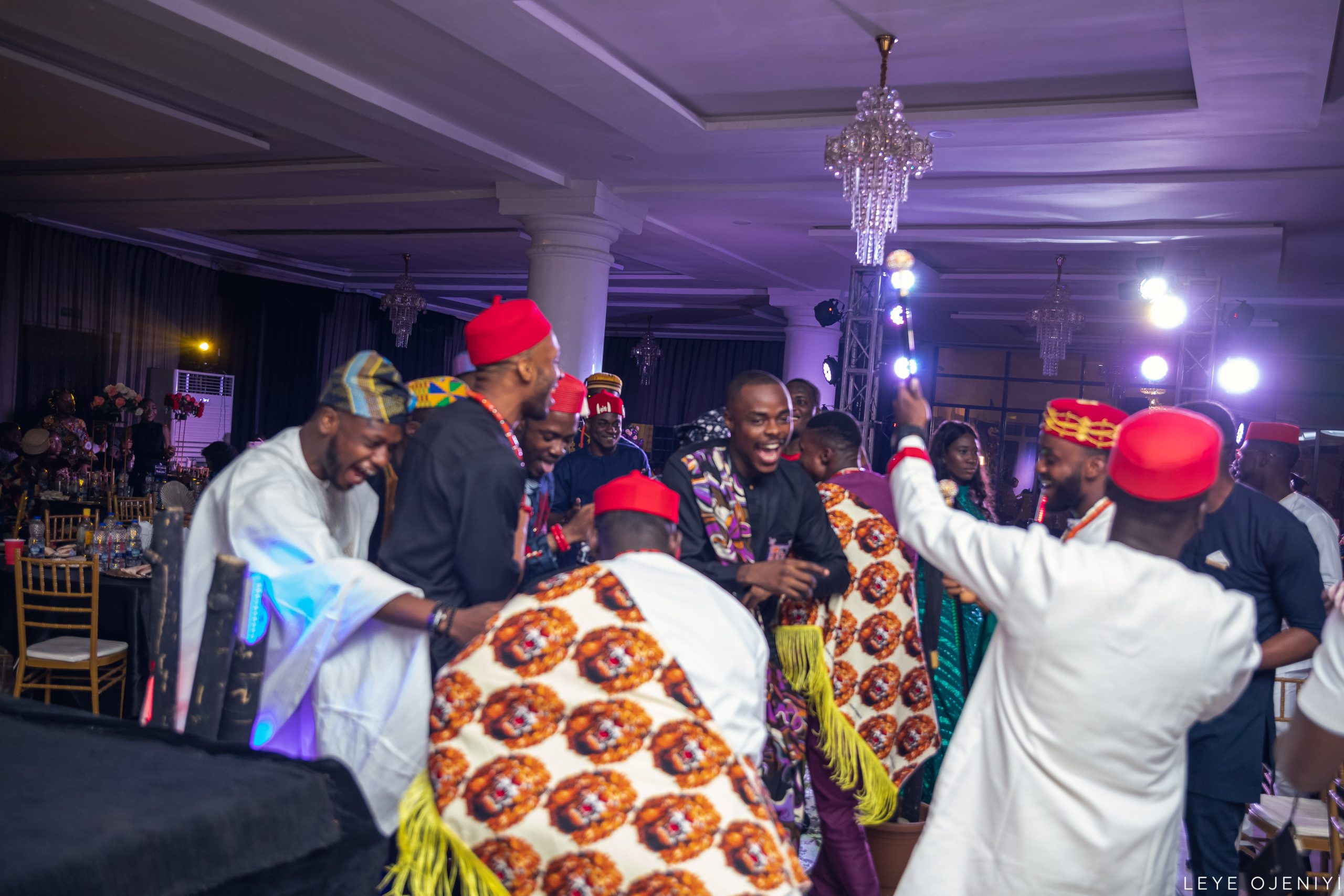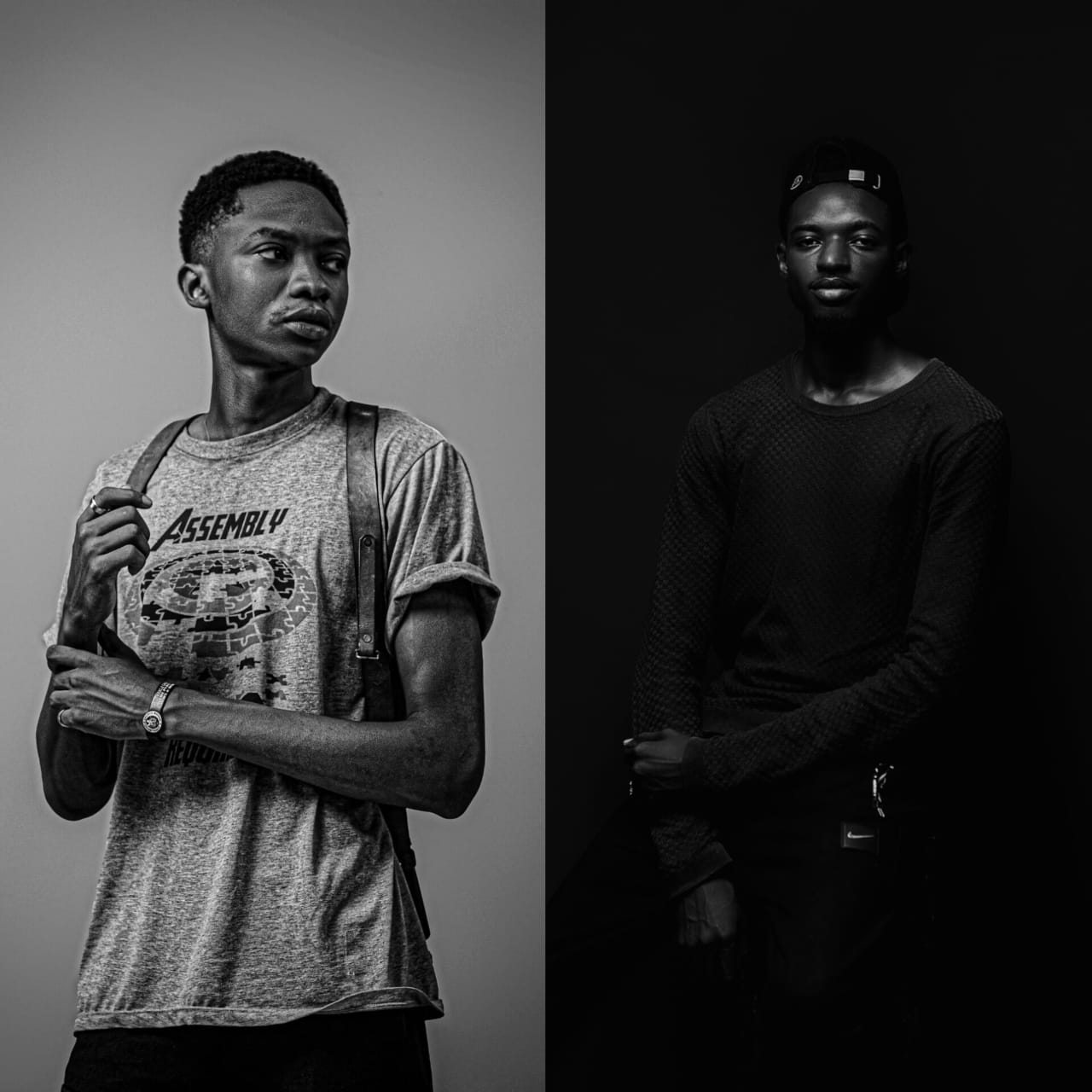
Photography is such a beautiful thing; an art that leaves this writer open-mouthed at the sight of a spotless portrait erasing literal spots and marks from the integument of a 25-year-old metropolitan that has been through thick and thin to make a living for themselves. It’s even mind-blowing to realise that photography is much more than portraits. There is event photography, documentary photography, travel photography, adventure photography, editorial photography, etc. At the core of these factions is the stories behind the lens, which is also the beauty of art in itself. The synergy between the multi-faceted interpretations of a picture and the popular saying that a picture is worth a thousand words.
A moment gone can, at best, be relived through imagination but cannot exactly be reproduced in its entirety and that’s where photography serves as the key to the timeless treasures that a camera turns memories into. It is in view of this that this writer has made a conscious effort to smile whenever a lens comes near his visual field. The same way photos tell stories is the same way photographers have stories and this is a conversation between this writer and two talented photographers and classmates. One, at the presidential wheel of the University of Ibadan Medical Students’ Association, and the other, an even-keeled young man balancing photography and medicine.
Oluwasegun ‘OJ’ Oyesola is a 600-level medical student, photographer, writer, researcher, and much more. Folusho Olu-Adegbola is a 600-level medical student and the President of the University of Ibadan Medical Students’ Association (UIMSA). He is also a photographer and the creative director of FolushoChris Photography. Over the years, he has held numerous political and administrative roles across UIMSA, the Alexander Brown Hall Literary and Debating Society, Hamstrings Club, UCH.
It might come off as a cliche but one of the most amazing things about the people here is that for every medical student you see on the wards and in clinics, there’s the frontend/backend developer, campus/culture journalist, researcher, forex trader, Web3 enthusiast, entrepreneur, pastry chef, visual artist/illustrator, SEO-optimised content writer, graphic designer, UI/UX designer, photographer/videographer, that you don’t see.
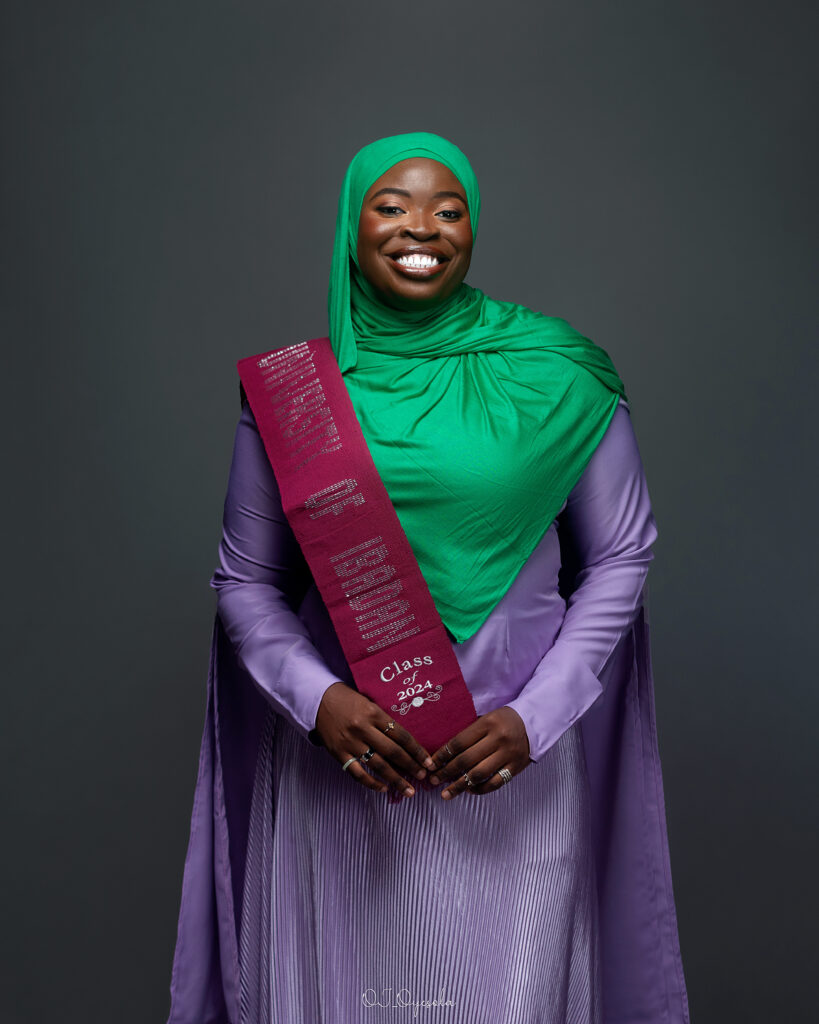
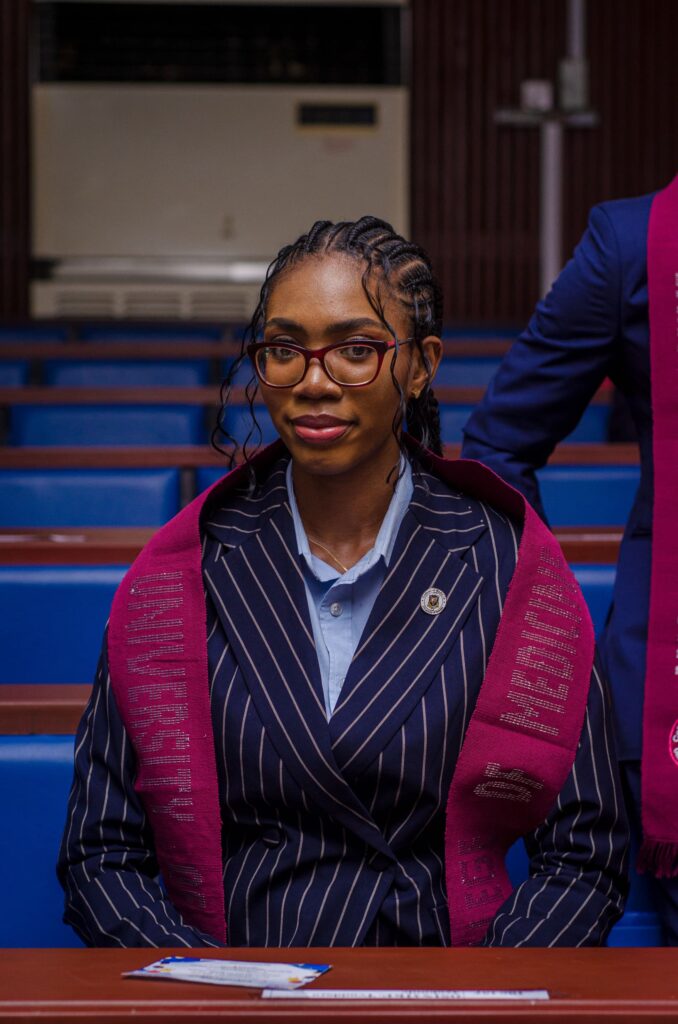
Folusho has been interested in photography since as far back as his prevarsity days. Then, it was either photography or mobile device technician services but he leaned towards the former. After getting into Ibadan Medicine, he met Dr. Henry Eze who held his hands along that path. OJ knew he always liked photography and materialised his interest after getting a Tecno (Camon 11) flagship device in 2019. He was always taking pictures of people, especially his classmates. He got a laptop in 2020, installed Photoshop, practiced editing with the knowledge he got from YouTube videos. He then created his style and doubled down on it. He also met Dr. Henry at some point and both of them followed him to some of his shoots.
Based on a not-so-conscious observation of acquaintances in photography, this writer opines that it is a very expensive hobby, talk less of people that upscale into making it their full-time job. And that is why many people start photography long before they get a camera because waiting doesn’t often help. This is not to disregard the struggles of a photographer that doesn’t own a camera of their own because there’s an obvious gap of ease between a camera owner and their peer that rents. However, people that will like to go into photography as a business would need to start from somewhere, either work jobs to gather money or rent cameras for gigs while saving up for theirs. Above all, people need to know you can shoot before they pay you for a photography session or gig.
As of this publication, a simple google search would have you find Nikon D3100 with 18-55mm & 55-200mm Lens to be about 450,000 Naira on Jumia. This is excluding extra lenses, memory cards, camera bags/strap, tripods, and light kits. OJ and Folusho’s stories aren’t any different as they were already shooting before they got their camera and even with that, the money they used to get a camera wasn’t solely from photography. OJ had to work multiple jobs before raising the money for a camera. And over their years of experience, they have earned multiple six figures from gigs/contract and have also spent likewise on photography equipment. They also added that they do routine rate card reviews when there’s an upgrade in gears.
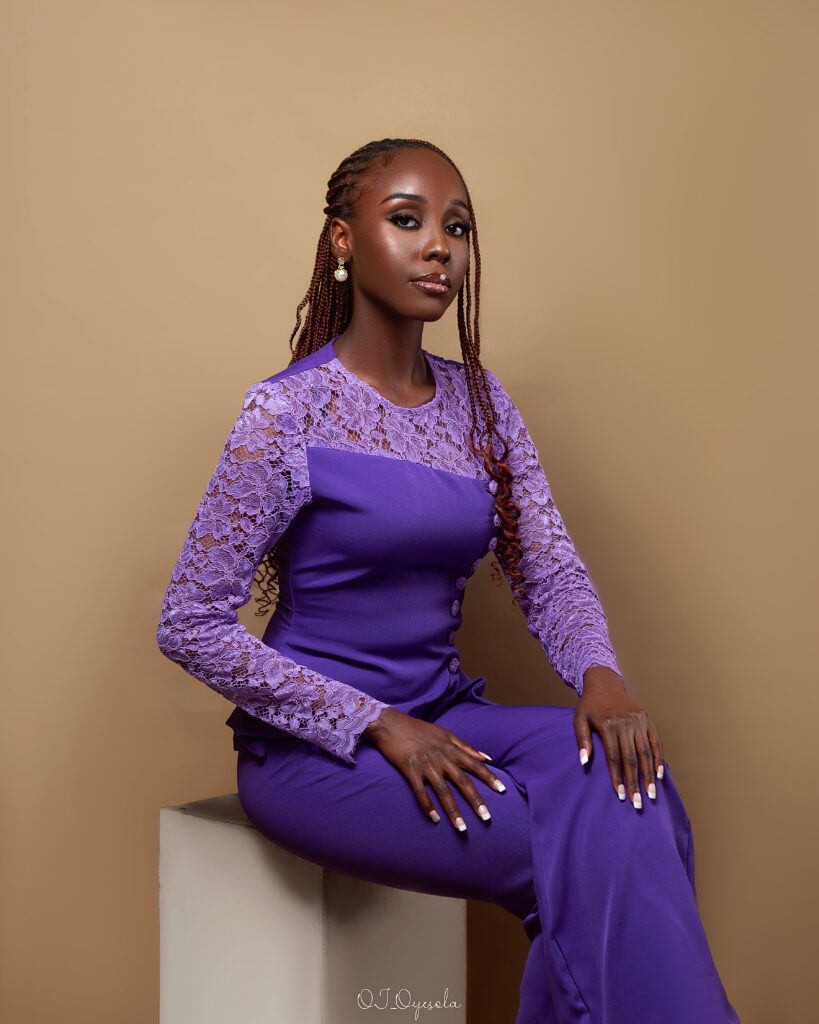
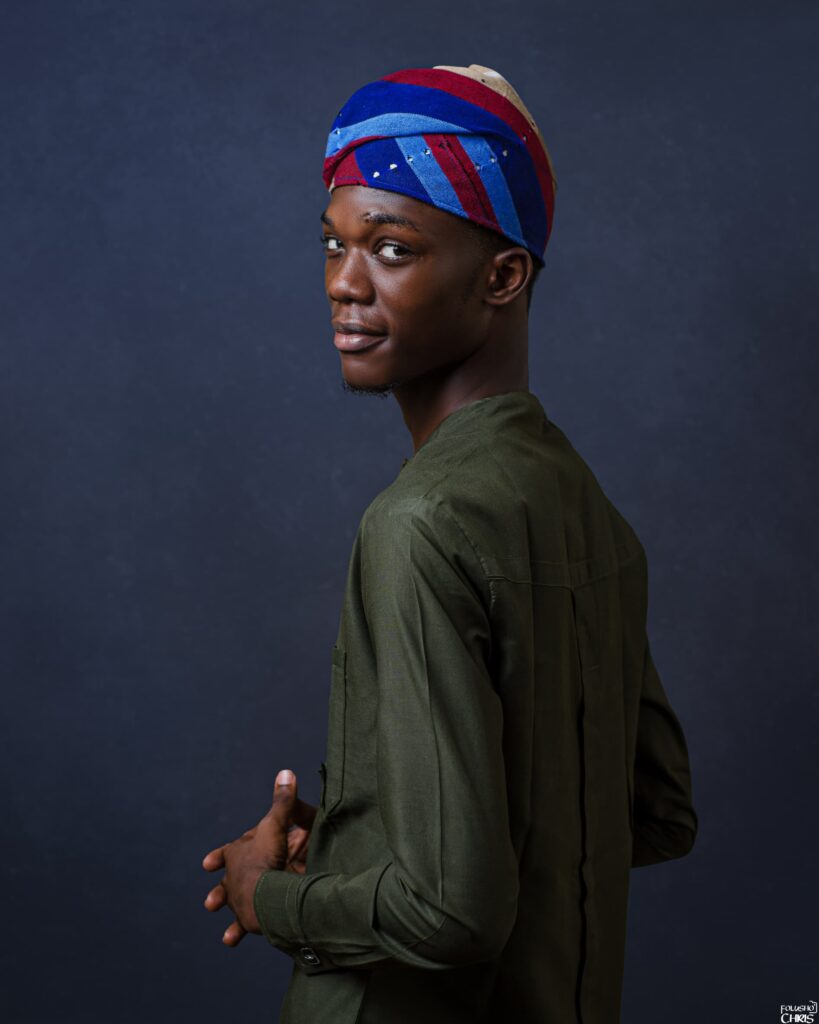
If not for anything, for the time, money, and energy expended in becoming a better creative at every dawn and dusk, one would wonder if these medical students would eventually abandon the Hippocratic path for their other interests or find a means to juggle both. OJ doesn’t see photography and medicine as competitors or rivals. And talking about juggling, over the years, he has balanced both so well, utilising the time he has. In his preclinical years, he travelled interstate to shoot weddings almost every weekend. Folusho also doesn’t see photography as a job but a hobby so for him, it’s quite easy to juggle that and medicine, which he, and many other people, see as a job.
As much as this duo see photography more of a hobby than a job, surprise referrals hit different for them. And this writer thinks the same for every creative. You might know your onions but you land some gig and it really dawns on you that you are very good at what you do. Becoming one of the official photographers of the College of Medicine, UI, after former Provost, Professor O. O. Omigbodun, referred him to the Director of Biomedical Communications Centre (BCC), was fulfilling for Folusho. It’s the reason he gets a free pass into Paul Hendrickse LT for CoMUI events that students are ordinarily not invited to, e.g. induction ceremonies. OJ got a gig to edit and retouch raw pictures from a shoot for a Nigerian model based in Paris, France. The client had reached out because she stumbled on his work.
Getting that blown does come with its peculiar sacrifices. These talented young men have had to say no to certain gigs because of academic demands and many other clashing commitments. Folusho, in particular, since becoming UIMSA’s president barely has any free time to himself. So every gig accepted has to be squeezed into an already busy schedule. Money has to be made but also, MBBS is still in view. Considering how long OJ and Folusho have been doing photography and the peculiarity of being classmates and friends in the same department, our conversation extended to the dynamics of working in the same space. OJ takes more jobs from outsiders than from people within the college and having Folusho in the same space is a lot of help for him because they always assist each other with tools. Also, he thinks there are a lot of people in CoMUI so the space is big enough for multiple creatives to thrive. He pointed out that style of shooting is a determinant for the choice of a client.
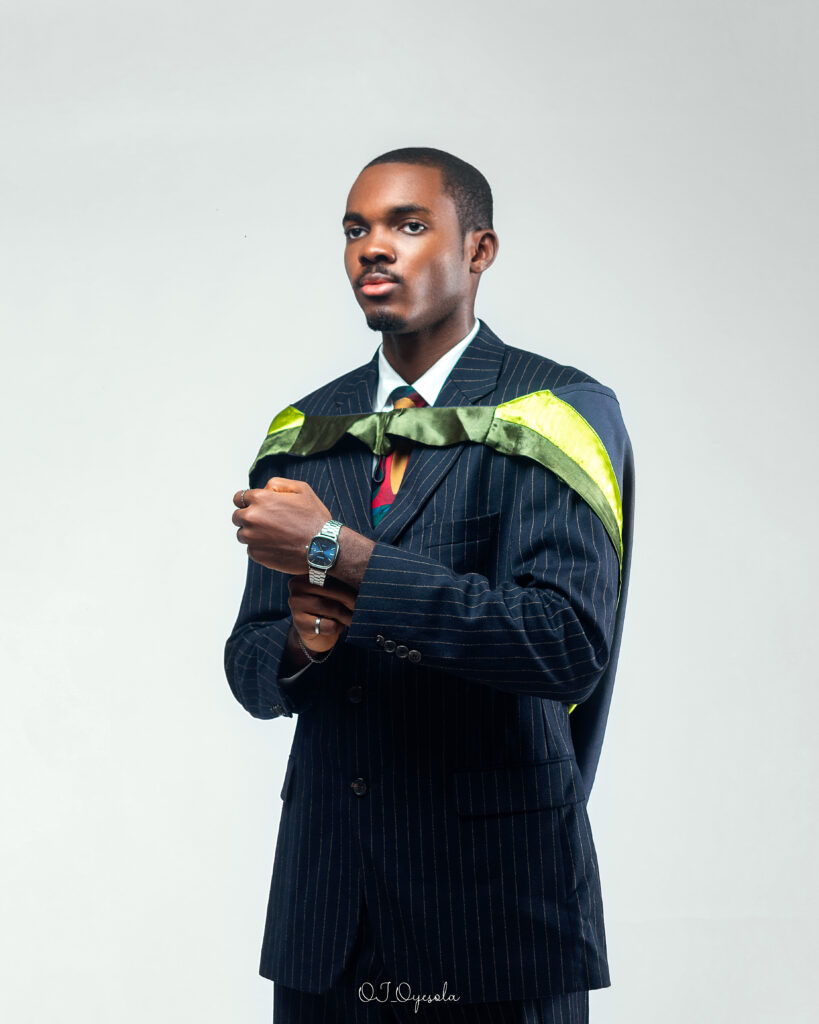
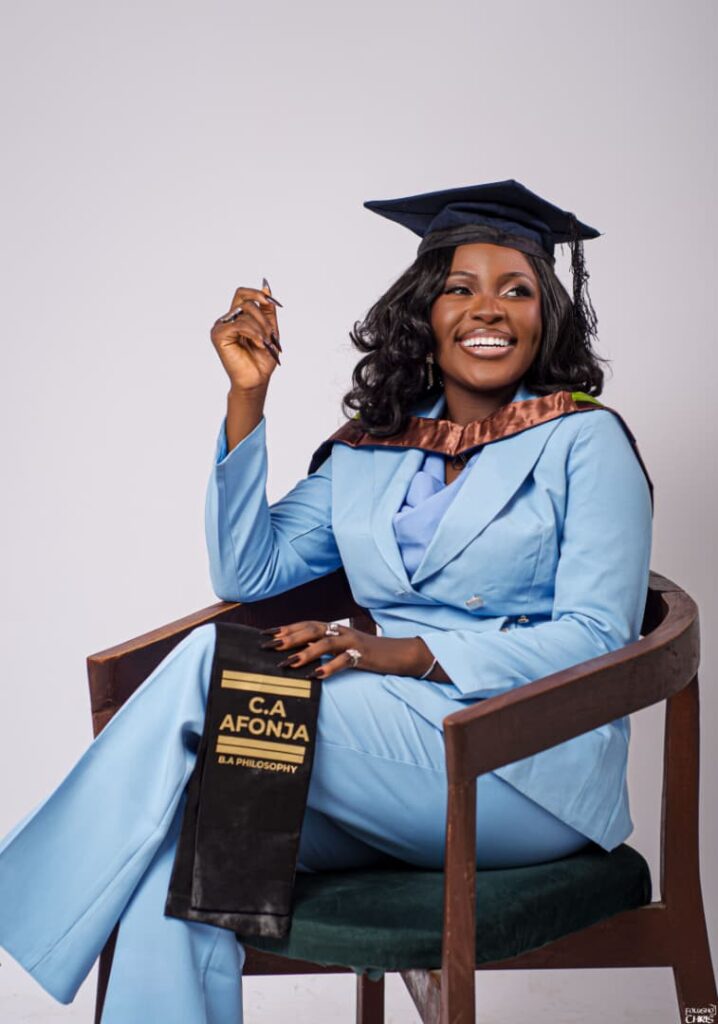
Folusho weighed in, corroborating OJ’s opinion that they don’t work the same way, even down to editing techniques. He shoots more within the college and added that outside work is quite stressful for him. This duo also play to each other’s strengths and such is seen in scenarios where they both cover an event together. Particularly in the last UIMSA dinner, OJ covered the red carpet pictures while Folusho covered the main event. It’s also down to preference as OJ doesn’t like moving around in event halls which is something Folusho, on the other hand, finds easy.
As students who have friends within and outside the association, there have been cases where OJ and Folusho shot their friends for free. OJ particularly finds people to shoot when he wants to test a new editing process or light setup. They both expressed their displeasure with cases when people expect them to shoot for free just because they’ve done it before either for them or for someone else. At some point in the conversation, this writer got curious and asked both creatives what random things they do with their time when they are not in school. When OJ is not in the hospital, he’s either sleeping, cooking, playing mobile games, glued to his screen watching a movie, or editing some outstanding jobs. For Folusho, he’s probably editing pictures, drafting and submitting official letters, drafting a budget/report/proposal, organizing a program, attending multiple meetings, and some other administrative duties.
On a lighter note, OJ and Folusho rated their friendship a solid 8.5 out of 10. They’ve stayed in the same room on main campus, off campus, and even away from school on rural postings in clinical school. They show up for each other during work sessions. Folusho added that he randomly goes to Famewo Common Room, Alexander Brown Hall, when OJ is shooting just to sit down and watch him work or assist if needed. Looking up to a more experienced figure in your line of work is one of the ways to figure things out faster and for both of them, Dr. Fiyin Atinmo (BDS, Ibadan) is that figure. To them, he’s both a colleague and a mentor. Folusho finds Fiyin very relatable as they journeyed the same path in medical school, venturing into public speaking, student leadership and photography. OJ added that Dr. Fiyin was part of the few people that helped him get gigs in the early years of his photography career.
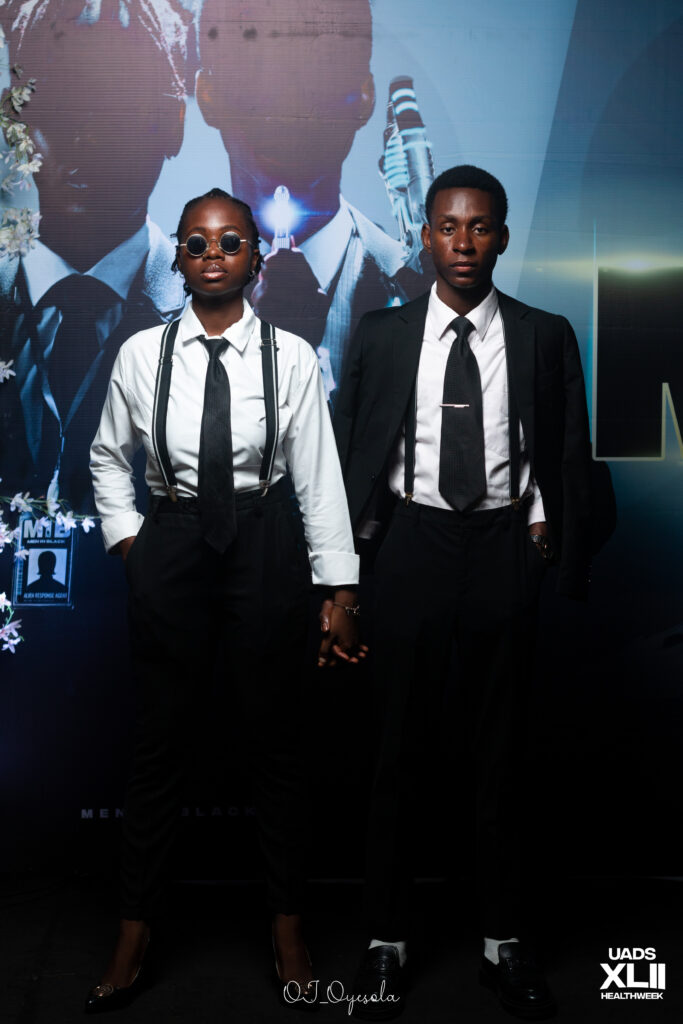
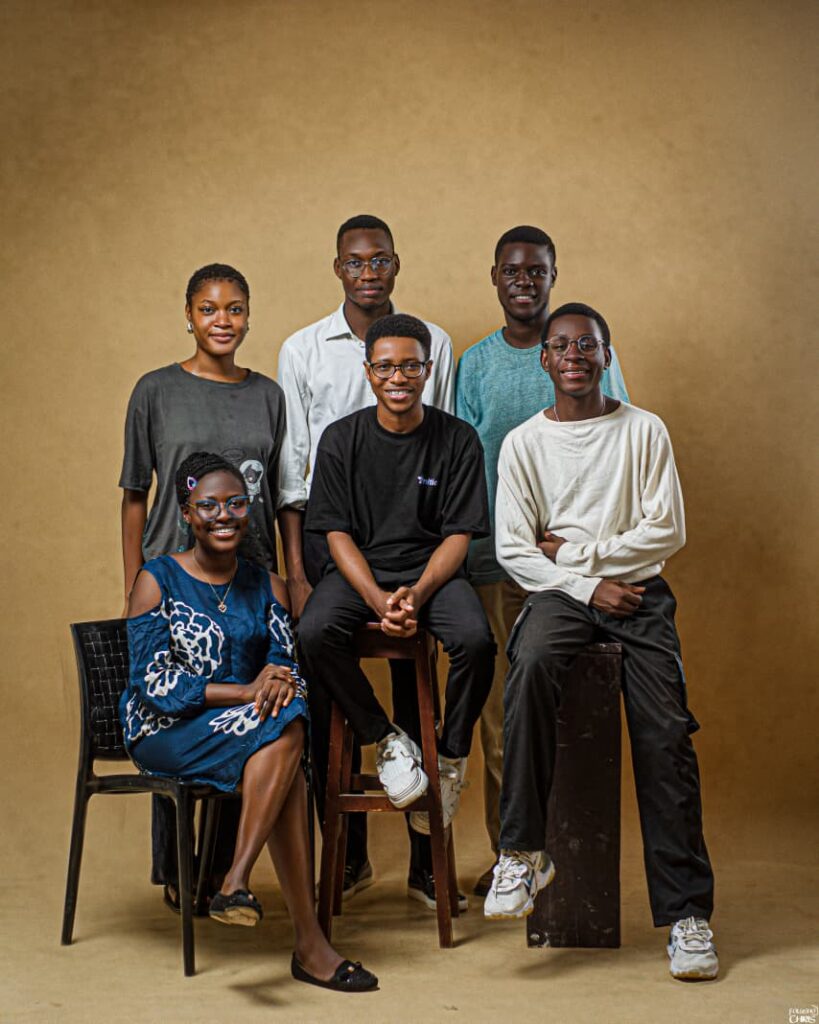
Shooting and event coverage has become a part and parcel of these guys but talking about a work/gig that underscored the depth of their expertise, Folusho’s moment was when he had a session with the executives under the Ogonna Okere administration for The Literary and Debating Society, UI. OJ’s was the series of gigs he got after a financial rough patch in mid-2024.
A Day in the life of Folusho as a Photographer
He wakes up, opens laptop, starts editing on a stretch – which he acknowledges is bad – and does that till he’s hungry before stepping out to get food from the cafeteria. While satisfying hunger, he uses his phone to check the final edits of the pictures. He takes a shower and gets back to editing, plays music and sometimes gets carried away with dancing, replies to some texts on social media. He does these routinely until his laptop goes off, then he answers other tasks. If there is urgent work, he would have to look for alternative sources of light to complete work. He also rewards himself with something after a long day, could be basic as an extra meat on his meal.
A Day in the life of OJ as a Photographer
On days where OJ has a shoot, he wakes up, confirms logistics, packs gears, ensures devices are charged, and sets out. He sets up for about 30 minutes, shoots for an average of 45 minutes, packs up in 20 minutes. So his time for a session is about 90 minutes for an outfit. After the shoot, he ensures clients sit down and pick their best shots at the shoot for him to proceed with editing. He made a rule not to edit on the same day he shoots. So he goes home, takes a break from that process and edits later. He cooks unlike Folusho. He could work on his portfolio, moodboards, etc. for the rest of the day. He often edits at night too.
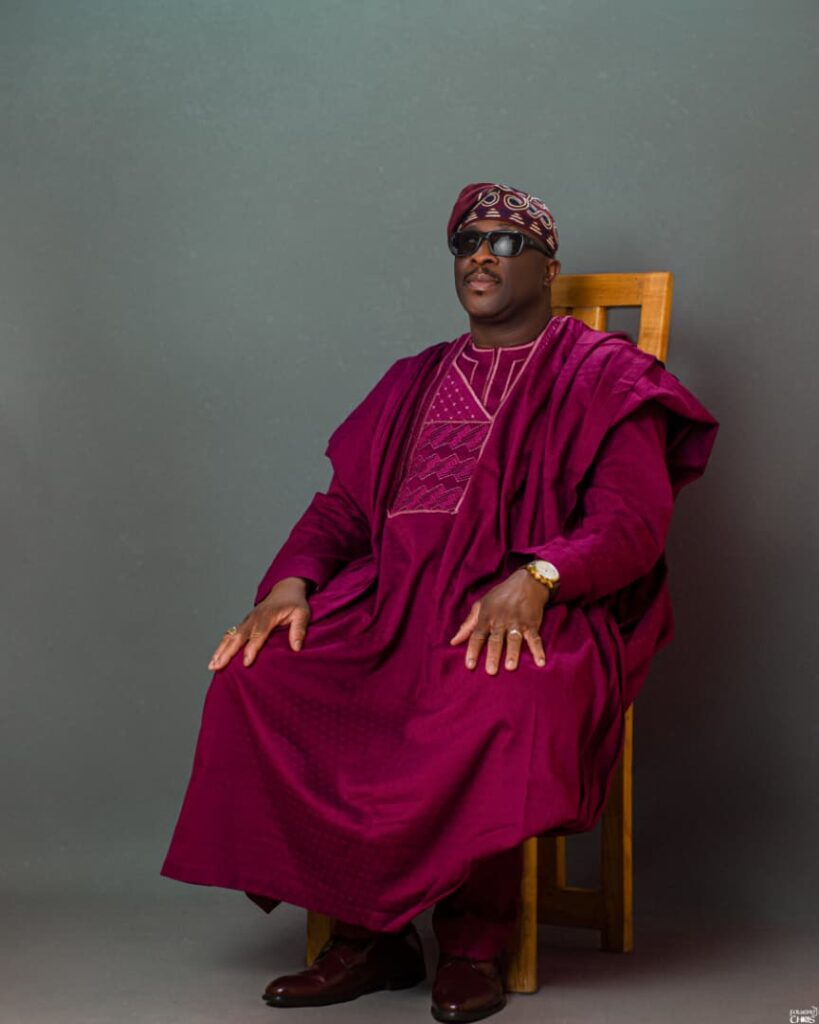
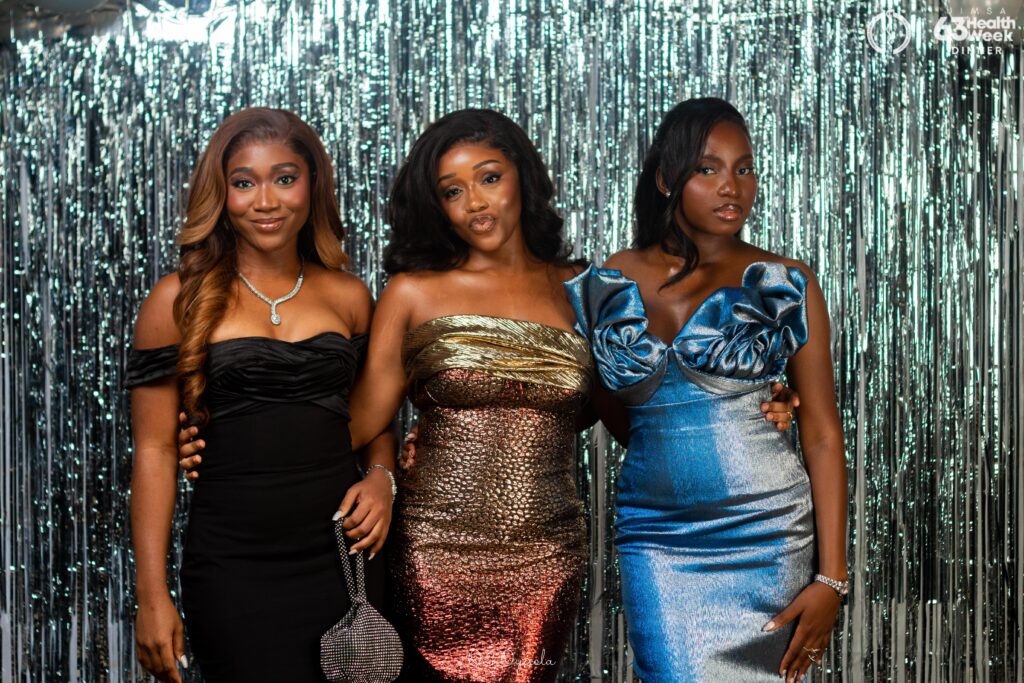
As we wrapped up the conversation, they dropped some tips for budding photographers and creatives in general.
Folusho: Develop and invest in yourself, work on your editing, build your skills, work on getting your gadgets also, borrow if you have to.
OJ: Take it step by step, there’s always going to be someone with better gear. If you have a vision of the brand you want to create in mind, double down on that. Get your money up and get decent gears. If you get gears that won’t serve you, it won’t work for you and you’ll get left behind very quickly. Upscale yourself every time. Borrow also if you need to.
PS: Folusho and OJ’s gears are valued in millions. Check out their portfolio here – Folusho and OJ.