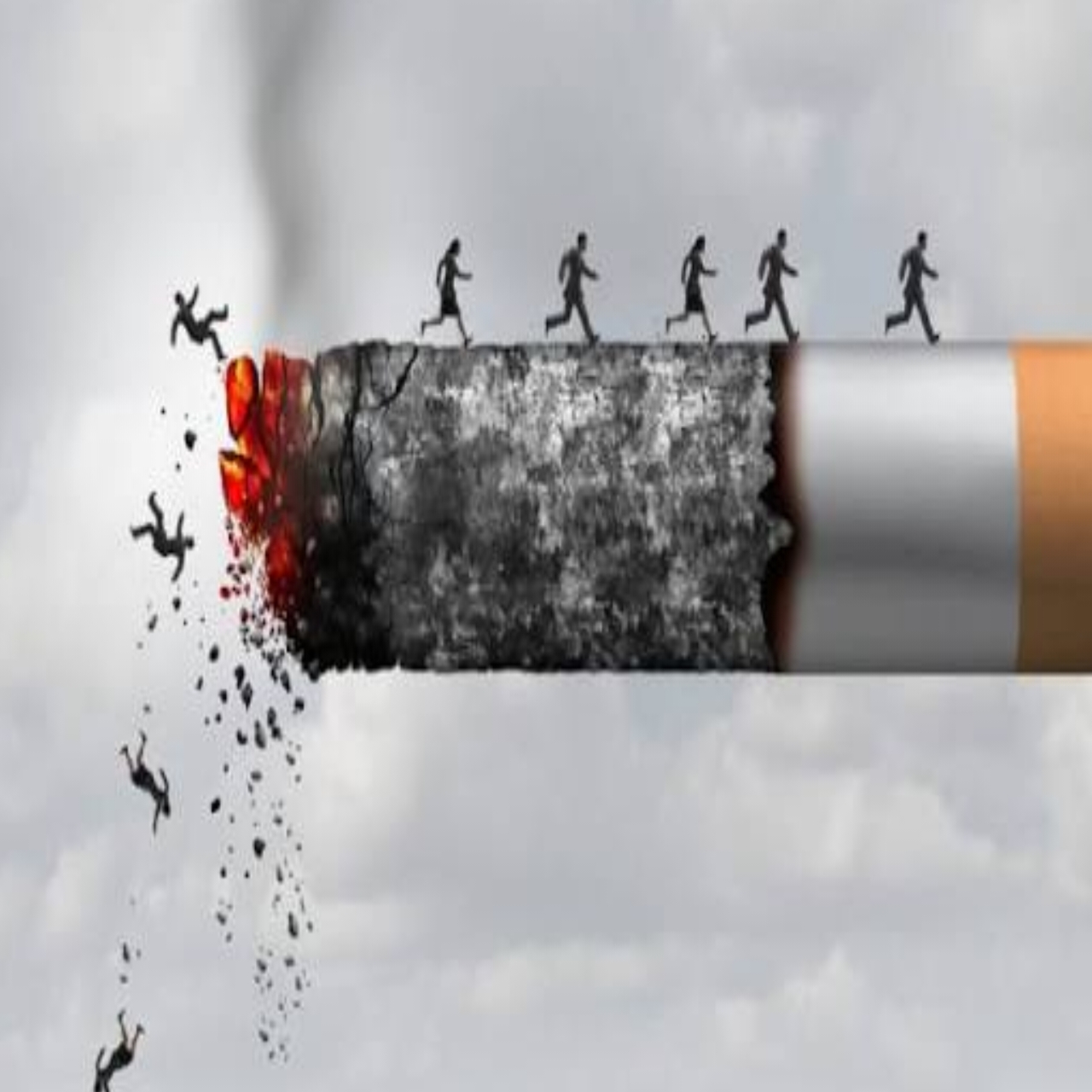
According to the World Health Organization (WHO), over 1.3 billion people globally use tobacco products, including an estimated 1.6 million non-smokers who are exposed to second-hand smoke. Around 80% of these users live in low- and middle-income countries, which bear a huge burden of tobacco-related illnesses and deaths. More than 7 million annual global deaths are attributed to tobacco use. Unbeknownst to many users, tobacco contains over 250 harmful chemicals, ranging from carcinogens, which cause cancer, to nicotine, which is addictive. For many, addiction goes before a fall into the death trap. It is a catastrophic fall whose only prevention is quitting, or even better, never using tobacco products.
Yet, while tobacco continues to ruin many lives, more and more people are falling into its death trap. This is because the fight against tobacco, which began after the WHO created “World No Tobacco Day” in 1987 to be marked every May 31st, has since met fierce resistance from tobacco industries, which continue to “innovate” and “invent” new techniques to market tobacco products, from illicit trade to lion-in-sheep-clothing tobacco products. While cigarettes remain the most common tobacco product, newer products are emerging. These include:
Heated Tobacco Products (HTPs): These products heat tobacco without burning it or producing smoke. Instead of smoke, they produce aerosol, often flavoured, containing nicotine and toxic chemicals. Despite claims of risk reduction, there is no evidence that HTPs are less harmful than cigarettes. They contain carcinogens found at sometimes higher levels than in tobacco smoke.

Electronic Cigarettes (or e-cigarettes or vape): These are battery-containing (either non-rechargeable or rechargeable) devices that simulate cigarette smoking by producing aerosol upon heating a liquid in them. Lurking inside this liquid is nicotine and other toxic chemicals, which make it no different from cigarettes. Manufacturers categorize them as Electronic Nicotine Delivery Systems (ENDS) and Electronic Non-Nicotine Delivery Systems (ENNDS), but nicotine has been found in some so-called ENNDS.

Nicotine Pouches: These are small, nicotine-containing pouches placed between the gum and lip for direct nicotine absorption. They are perhaps the deadliest “invention” so far, as the WHO has reported an alarming increase in the global sale of these products. This is because marketers conceal them, even in the form of candies and sweets. They are no different from cigarettes, and all roads, no matter how alluring, lead to the same death trap.

To curb the growing threat, therefore, governments should enact and enforce regulations against tobacco use, particularly its illicit trade by tobacco industries. Over 160 countries still have no specific regulations for nicotine pouches. Stricter sanctions should be imposed on defaulting tobacco industries, and heavier taxes should be placed on tobacco products. At the lower rung of the ladder, institutions and organizations should enforce a “No Tobacco Use” policy. At the University of Ibadan, there have been reports on the rising use of tobacco among students. To stop this illegal activity, the University management must tighten its regulations. Many tobacco users find it difficult to quit due to nicotine addiction. It is OK and advisable to seek counsel. It is our collective responsibility to report any illegal tobacco use to the appropriate authorities. And if we don’t say a firm “NO!” to tobacco today, healthy lungs, hearts, and kidneys may cease to exist tomorrow.