Vox Pop: University of Ibadan Students Share Perspectives on Beggars Across Campus

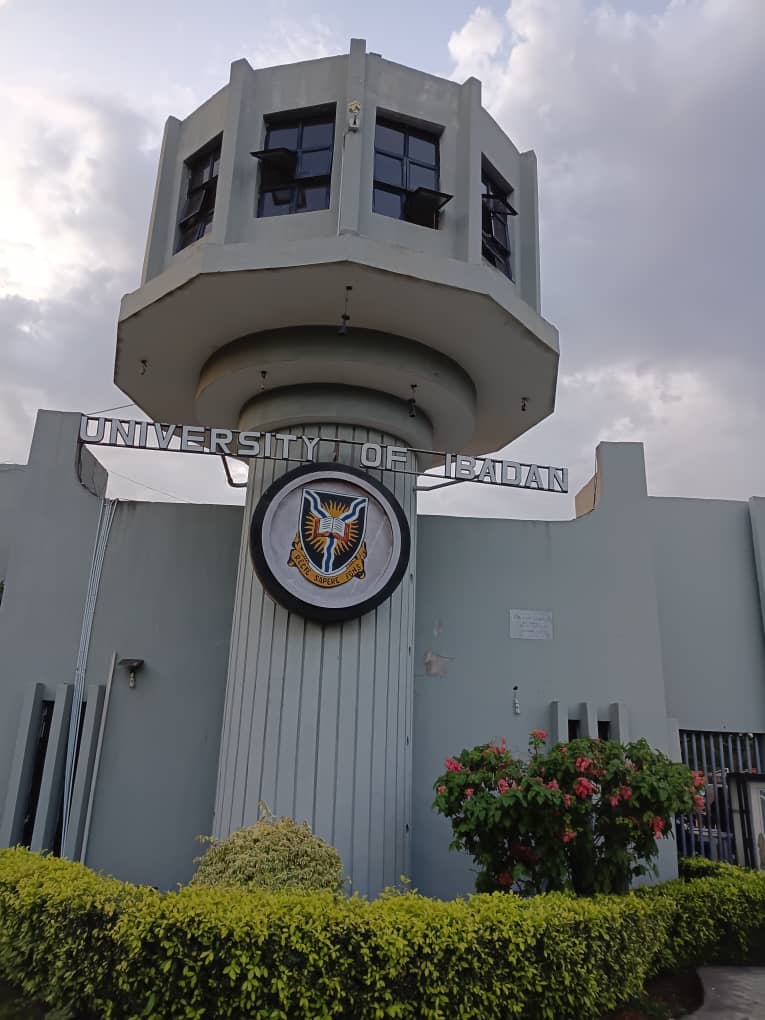
As you walk toward the University of Ibadan’s first gate, hands stretch out from every side, eyes desperately pleading for help. You resist the urge to respond, only to find the same scene repeating itself within the campus. Beggars seem to occupy every corner—from Faculty to Faculty, building to building—each echoing familiar cries of “Bros, please help me” or “Sister, please help me.”
When the pleas become overwhelming, you reason with yourself, I’m just a student, struggling to meet the academic and financial demands of this school; must I also bear the guilt of not giving? But how do other University of Ibadan students truly feel about this situation?
How do you feel when beggars approach you on campus — especially when they cling, follow or call after you?
Abdulsalam: It doesn’t really happen to me frequently, but sometimes it’s just annoying, and I also feel sorry for them. I always feel like I can’t help you, but please leave me alone. There was a man who was following me even after I repeatedly told him I didn’t have any money. He only left me alone when I started walking too fast.
Oluwakemi: It’s not normal generally because there are some people who are so persistent; they will continue to follow you until you shout at them. There was an incident where I had to pick up a stone before one of them stopped following me. That happened at the school gate, though.
Damilola: Well, as a human being, I can’t be angry at them. Everyone is trying to survive, and when I think about my condition, I feel pity for them.
Zoe: I feel kind of inconvenienced. Like trying to make someone feel bad for not giving. Especially when they start pulling up the stunt of fake prayers. It’s very cringe! I haven’t been giving them anything lately. If you like, kill yourself; it’s none of my business. I am collecting money from my parents at home too, and it’s not that they are plucking the money from a tree.
Kunle*: I do feel compassionate towards them, but sometimes, I feel many are liars about their situation. There was a case where a man approached me around Access Bank and told me his daughter was in dire need of money for treatment in the hospital. On that day, I gave him what I had only to find out later that he had been going on about his daughter’s situation for a long time. Many like him are just liars! I actually ask some of them the reason behind their begging, especially the kids, and they do say it’s a lack of home care, though that may be a lie too.
Solomon: I have met them several times on campus and always feel extreme pity towards them. I know what it feels like to be in need, and whenever any of them approaches me, I make sure I give if I have anything.
Do you give to beggars on campus? Why or why not?
Abdulsalam: I have never done that. I don’t even have enough money for myself.
Oluwakemi: Yes, very well. I do that very well. If I have at that moment, I will give them money.
Damilola: Yes, I do, if I have.
Zoe: I give when I have, and I don’t give even when I have, it all depends on what my mind tells me. I gave one stupid boy ₦1,000 inside Tedder Cafeteria. He begged me so desperately and also talked like he wanted to die. But as soon as I gave him the money, he disappeared into thin air.
Kunle*: Yes, I do give beggars money. When giving them money, I only follow my belief of whether they are really in need or not. I hate when begging for alms is taken as a job.
Solomon: I always give whenever I have to the point that I feel sad whenever someone approaches me, and I don’t have. I feel bad about it even if I myself am in need. There was a day when I was coming from an event, and I had a souvenir in my bag. Then someone approached me and begged if I had anything to give. I immediately took out the souvenir and handed it over to the person.
Why do you think begging is so prevalent on the University of Ibadan campus?
Abdulsalam: There are some people who actually do give them money. They also have high hopes of seeing givers, like lecturers and final year students, on campus. Because if they don’t see anyone to give them money, they will not be coming here.
Oluwakemi: Well, I have not really experienced beggars on campus, aside from the school gate. I don’t really know if there are beggars on campus. But it’s not normal; I feel it’s the country’s economy and some people’s lack of interest in work. At least, we have seen people with half an arm and half a leg selling onions, trying to get something to do and live for themselves. I think it’s laziness.
Damilola: Well, they are more common at the school gate than on campus. The school gate is a hotspot where a lot of people are passing, so they felt they could gain some impact by staying there. For those on the school campus, I feel like they think students are innocent or will easily take pity on them and help them.
Zoe: They are everywhere, actually, but UI kind of has them more than some schools like OAU because of the site UI is on. I mean, UI is located within the city, so it’s easier for non-UItes to enter and start begging up and down.
Kunle*: Well, school campuses do feel like a good place to do business. They may feel that there are rich people and students on campus who can give them money. You can see from how people continue to open new businesses on campus, those beggars may feel there is money here.
Solomon: They won’t beg if they have! No one will beg for fun! There was a girl less than 10 years old who approached me around 7 pm, and I felt so pitiful towards her. I even wanted to take her home and ask why such a young girl chose to take to the street to beg. Well, they do have free access to the University to beg, though.
Do you think it is morally right for the University of Ibadan to ban beggars from campus, given that they are simply trying to survive?
Abdulsalam: I can’t say whether it’s morally right or not. Although I do feel they should ban them from the University’s campus. Banning them would be better.
Oluwakemi: Inside UI, I feel like they should be banned. They should be reported! Because we can’t say they are just beggars, they might have other intentions. For them to be clingy, which most of them always are, they feel like you have a lot of money and may start following you just to beg.
Damilola: No, we are humans; I feel like they should not do it. There are actually universities that do that to make the school more reputable and presentable. I feel they should not do it because it doesn’t really matter.
Zoe: They can survive out there, too. They should go and find a job. Why should they be coming to inconvenience students’ lives? They should ban them, please. Some of them aren’t even needy, like some of them could actually afford to work and have money, but they just decide to be opportunists of the category of folks in the University of Ibadan, as per UI students are expected elite, but they’ve forgotten these students have struggling parents at home too.
Kunle*: Yes. These beggars are way more common on campus at night than during the day. Maybe because you will not be able to see their faces during that time, making use of that opportunity to beg. It’s not proper and shouldn’t be allowed. There is even the case of this “Omo Oba” who begs frequently at Tedder Hall, chanting “Help Omo Oba UI”. He looks mentally unstable and stayed there for quite a long time before he finally disappeared. Maybe it was the management that took the action of sending him away from there. But they shouldn’t be allowed on campus at all.
Solomon: No, no, no, it’s not morally right to do that. If they are being restricted, how will they survive? Their needs will be very important and you can’t really tell what someone is going through.
Do you think beggars hanging around UI will affect the image of the university, Nigeria’s so-called first and best?
Abdulsalam: If they are seen on the University campus, I think it does have an effect on the University’s image. It feels like the University can not handle the situation of beggars disturbing people who come into the University. But, if it’s at the school gate, I don’t think that has any effect on the University’s image.
Oluwakemi: I don’t think it can change how Nigerians see the university, but it can for foreigners if they don’t see things like that in their country. As Nigerians, we already know there are beggars everywhere, in the market, school, and at home; it’s already a viral thing. Some people just wake up and think “let me just beg today”. I know of a family in my area who takes begging as their job. We ended up chasing them away from our area when it started getting frustrating. They start to feel entitled, such that when you give them ₦100, they will look at you with disgust, feeling like the money is too little.
Damilola: I can only relate with that of the school gate. Anyone who is passing by and has heard about the giant feats the University has achieved will easily feel irritated about it. It’s most likely that their expectations of the University will be reduced, as the scene is not professional. Such a great institution to have beggars hanging around its gate and begging for alms all the time. Imagine a reputable individual, like a government representative with convoys, coming into the University and seeing beggars left and right. It doesn’t speak well of the school.
Zoe: It doesn’t affect how I see the University; it reminds me of the situation of the country. And it also reminds me of folks in this world who are just irritatingly lazy.
Kunle*: I felt it affects the way I see UI based on its alleged standard, and that will possibly be the same for others too.
Solomon: No, I feel it doesn’t. They are humans too, and no one is supposed to see them as less important. There should be respect for human life, which makes us different from animals. Some of them have disabilities, and I feel they need collective help from every one of us. We can set up some minor business for them, and people really do have the ability to do that.
Ultimately, discussing what should be done about beggars on campus is a sensitive matter, as an absence of social services and support systems for the disabled leads many to embrace this lifestyle. However, the increasing number of these beggars on campus, amongst these, able-bodied individuals, makes one look around and ask, “Is this healthy for a professional environment?” “Is this just a normal way of survival or a new business venture?” These people have taken to begging for alms daily on this campus as a means of survival. So, as a community, we must question where to draw the line at all, and what the future holds in a society where these practices are encouraged.
*Name changed at request for anonymity.