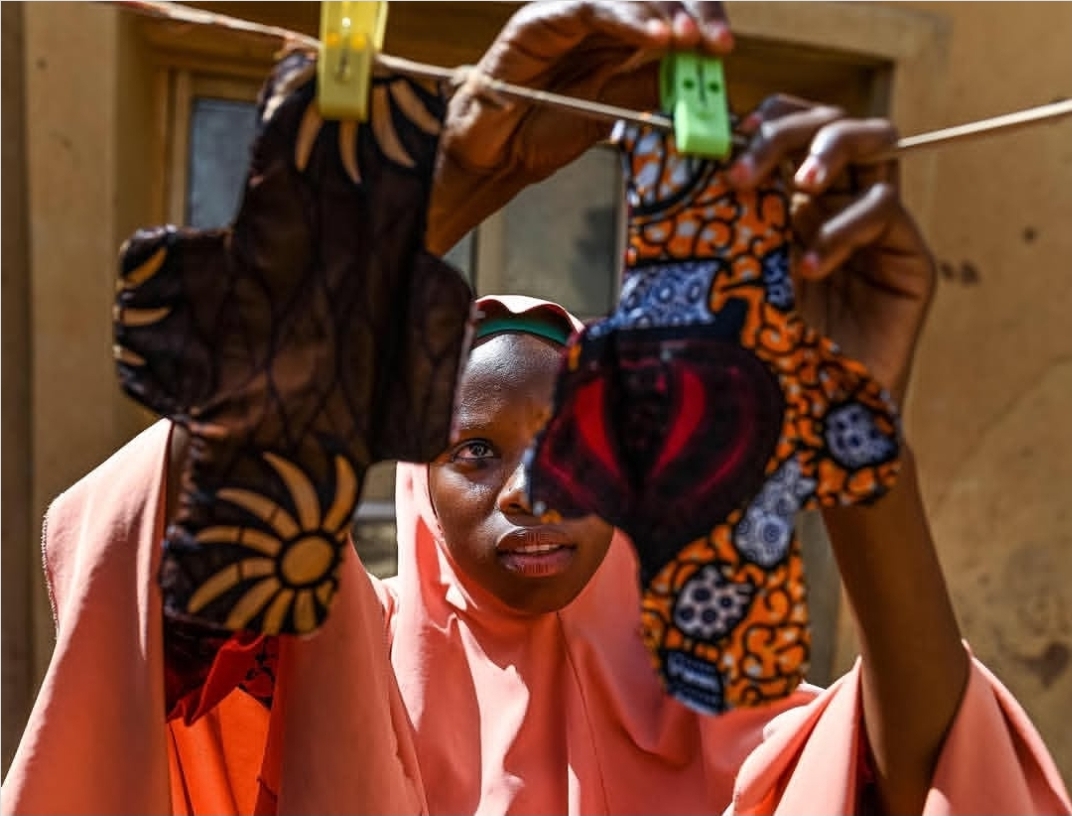
Every month, hundreds of millions of women and girls menstruate. Many do so in pain, in silence, or with products that fall short of basic hygiene standards. In Nigeria, the scale of the problem is stark. More than half of school-age girls stay home each month for fear of staining their uniforms because sanitary products are unaffordable. According to UNICEF data, 23% of girls in Nigeria had missed school in the past 12 months because of their period.
This year’s Menstrual Hygiene Day carries the theme, “Together for a #PeriodFriendlyWorld,” a call to break the silence around periods, tackle stigma, and raise awareness of the importance of menstrual hygiene for women and girls globally. But for many health practitioners and advocates, the more urgent conversation happens far less often, the one about what a menstrual cycle can reveal about a woman’s health and what it can silently conceal.
The baseline most women are never taught is that understanding menstrual abnormalities requires first knowing what the normal looks like. A typical cycle runs between 21 and 35 days, menstruation itself lasting two to seven days and involving an average blood loss of 30 to 80 millilitres. The cycle is regulated by a cascade of hormones originating from the hypothalamus, pituitary gland, and ovaries, notable amongst these being estrogen and progesterone.
The menstrual cycle offers important clues about hormonal health, iron levels, thyroid function, Polyendocrine Metabolic Ovarian Syndrome (PMOS) risk, and overall well-being. When the cycle changes, becoming heavier, lighter, more painful, or disappears entirely, it is often the body’s earliest attempt at communicating underlying dysfunction.
Cramping during menstruation has a physiological basis. The uterus contracts in response to prostaglandins to shed its lining, causing discomfort. Mild discomfort is common, but a debilitating pain is not.
Clinicians distinguish between two types of painful periods. Primary dysmenorrhea, the most common, carries no underlying disease and is most prevalent in adolescence. It typically responds to nonsteroidal anti-inflammatory drugs such as ibuprofen, particularly when taken before cramping begins, and tends to ease with age.
Secondary dysmenorrhea is a different matter altogether. It is associated with an identifiable pelvic condition, most significant of these being endometriosis, a disease in which tissue resembling the uterine lining grows outside the uterus, most often on the ovaries and pelvic structures. It is estimated to affect roughly one in ten women of reproductive age worldwide and is among the leading causes of infertility. Despite this, the average delay between the onset of symptoms and a confirmed diagnosis remains between seven and ten years, a gap driven in no small part by the cultural normalisation of severe menstrual pain. Other causes of secondary dysmenorrhea include uterine fibroids, adenomyosis, and pelvic inflammatory disease.
Abnormal uterine bleeding is among the most common gynecological complaints, yet many women endure it for years without seeking evaluation. Heavy menstrual bleeding, defined medically as blood loss exceeding 80 millilitres per cycle, or periods lasting beyond seven days, is known as menorrhagia. It is associated with uterine fibroids, clotting disorders such as von Willebrand disease, hypothyroidism, and certain intrauterine devices. Left unaddressed, it frequently leads to iron-deficiency anemia.
Infrequent periods, for instance, an interval longer than 35 days, may point to PMOS, thyroid dysfunction, or hypothalamic disruption caused by significant weight loss or intensive exercise. Conversely, cycles shorter than 21 days, or bleeding that occurs between periods or after sexual intercourse, require investigation for structural or infective causes. Postcoital bleeding in particular should always be evaluated to exclude cervical pathology.
The complete absence of menstruation, amenorrhea, carries its own diagnostic weight. In a woman who previously menstruated regularly, three consecutive missed periods—after ruling out pregnancy—warrant a workup. Common causes include PMOS, excessive psychological or physical stress, and elevated levels of prolactin.
Premenstrual syndrome is so widespread that it has been culturally absorbed as simply part of being a woman. Mood shifts, bloating, breast tenderness, and fatigue in the days before a period occurs. These symptoms, while real, are typically mild and resolve once menstruation begins.
What is less widely understood is that a subset of women experience a significantly more severe presentation: Premenstrual Dysphoric Disorder, or PMDD, which is characterised by marked depression, anxiety, and irritability severe enough to impair daily functioning in the luteal phase of the cycle. PMDD is a recognised clinical diagnosis. It responds to treatment, including Selective Serotonin Reuptake Inhibitors and hormonal therapy, but is frequently dismissed or misattributed to personality or temperament.
Good menstrual hygiene means using the right period product, changing it regularly, washing hands, and disposing of used products properly. The practical implications of failing to do so extend beyond discomfort. Sanitary pads and tampons left in place beyond four to six hours provide the conditions bacteria need to proliferate. For tampon users specifically, use beyond eight hours raises the risk of Toxic Shock Syndrome, a rare but potentially fatal staphylococcal infection. Genital washing should involve the vulva only, using water or a mild, unscented product; internal douching disrupts the protective vaginal flora and increases infection risk.
Research in Nigerian communities has found that about 57% of girls surveyed had poor knowledge about menstrual hygiene, and over 77% reported reusing their menstrual materials, a practice that substantially raises the risk of reproductive tract infections.
Lastly, the menstrual cycle is not merely a monthly inconvenience. It is a physiological record, one that, read correctly, can flag anaemia, thyroid disease, clotting disorders, hormonal imbalances, and early reproductive pathology before they become entrenched. The barriers to reading it correctly are, in many settings, not medical but social—the silence that surrounds menstruation, the reluctance to seek care, and the persistent cultural message that pain and disruption are simply what women endure.
Menstrual health is a matter of human rights, dignity, and equality, and on campuses, in clinics, and in everyday conversation, treating it as such is where meaningful change begins.
Romlah Abdulazeez