My Substack’s algorithm has been filling my feed with pieces about grief. At first, I thought little of it; perhaps it was simply the algorithm doing what algorithms do. But this afternoon, I found myself reading more than ten pieces by a woman learning to walk through her grief after losing the love of her life. In each piece, the loss seemed to find her again, the ache returning in different forms, even as she learnt to live around it. I kept reading, and somehow, today, it hit home. I recently faced a setback I had hoped to do well in. I did not get the result I wanted. The old me would probably have cried. I might have stared at the result for a while, allowed the disappointment to settle in, and eventually let the tears come. But this time, I was simply quiet. I told myself, I failed. Then, almost immediately, I began thinking about what came next. I had a life to continue living, responsibilities waiting for me, and things I could still control. I could study harder. I could prepare better. I could try again. So I told myself to forget it had happened and move on. And I did. Or at least, I carried on. But somewhere beneath the quietness, the disappointment remained. I should have known by the way I was so vocal to call it ‘a failure’ when asked about it. I had not really grieved it. I had simply learnt how to continue before I had given myself permission to feel what had happened.
Perhaps that is one of the strangest things about being a student. We become so accustomed to moving forward that we sometimes forget to acknowledge what we leave behind.
Every morning, we wake up and begin again. We rush to lectures, sit through practicals, submit assignments, prepare for tests, meet deadlines, laugh with friends, return to our rooms exhausted, sleep, and do it all over again. From the outside, it looks like life. And technically, it is. We are actually alive. We are functioning. We are moving. But somewhere along the way, I wonder if we have become so accustomed to functioning that we have forgotten what it means to actually live.
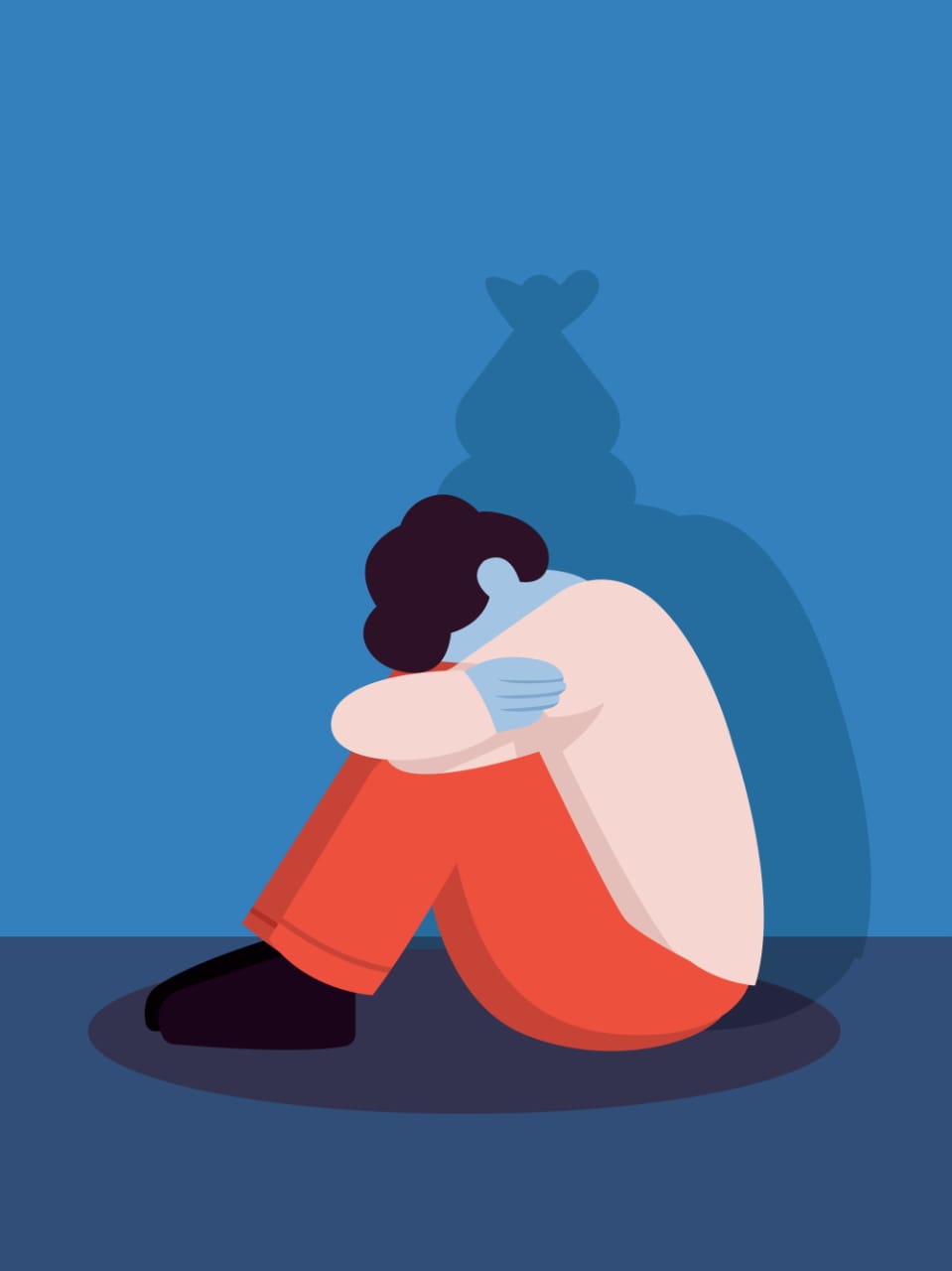
There is a kind of grief that follows students everywhere yet rarely gets acknowledged. It is not always the grief of losing someone. Sometimes, it is the grief of an examination that did not go as planned. The opportunity we did not get. The dream that is beginning to look less attainable. The university experience we imagined and never quite had. The friendship that changed. The confidence that disappeared somewhere along the way. Sometimes, it is the quieter grief of losing a part of ourselves.
We rarely call these things grief. We call them disappointment. We tell ourselves to move on. We fail an examination and are told to study harder next time. We lose an opportunity and hear that another one will come. We become exhausted and remind ourselves that everyone is tired. We are disappointed in ourselves and quickly turn the feeling into another task: improve, work harder, do better. There is always another lecture, another test, another semester. So we keep moving.
We become so good at moving forward that we never notice that some parts of us are still standing where we left them. We learn to carry disappointment quietly, to bury exhaustion beneath productivity and to keep showing up even when something inside us has not quite caught up with the life we are living. Moving man, they say. Eventually, functioning becomes automatic. We wake up because we have somewhere to be. We study because there is an examination. We attend class because attendance matters. We complete assignments because they are due. We sleep because our bodies demand it. We repeat the cycle until an entire semester has passed, and then another. And because we are still functioning, we assume we are fine.
But perhaps being able to continue is not the same as being okay.
There is a particular kind of sadness in realising that you miss a version of yourself who is still alive. The person who was more curious, more hopeful, more spontaneous. The person who could enjoy something without asking whether it was productive. The person who could rest without feeling guilty. The person who once believed that life would unfold in a particular way.
University does not necessarily take these things from us, but somewhere between expectations, comparison, failure and the constant pressure to become more, we can lose pieces of ourselves without noticing.
And sadly, nobody sends condolences for that. There is no funeral for the dream that did not happen, no period of mourning for the confidence we lost, no socially accepted ritual for grieving the person we thought we would become. We simply adjust, we adapt and we continue.
We are often praised for this. We call it resilience and truly, resilience matters. But perhaps we should be careful not to confuse resilience with becoming so accustomed to pain that we no longer acknowledge it. There is a difference between being strong and pretending that nothing hurts. There is a difference between moving forward and never allowing yourself to stop long enough to understand what you are leaving behind.
We need permission to grieve our failures, not because failure defines us, but because it mattered to us. We cared about that examination. We cared about that opportunity. We cared about that dream. Of course it hurts when things do not go the way we hoped. We do not have to immediately turn every disappointment into a motivational speech. We do not have to transform every failure into a lesson before we are allowed to feel disappointed. Sometimes, something can simply be painful. Sometimes, grief is simply the heart recognising that something mattered and is no longer there in the same way.
And one day, we may look back and realise that we spent so much time preparing for life that we forgot to live it.
The answer is not to stop being ambitious. We should dream, we should work, and we should pursue excellence. But excellence should not cost us our ability to experience joy. Success should not require us to become strangers to ourselves.
So, every once in a while, we should step outside the routine and ask questions that have nothing to do with grades or productivity.
What am I grieving?
What have I lost?
What part of me have I neglected?
What have I been pretending does not hurt?
And when was the last time I felt genuinely alive?
The answers might not be comfortable. But then, we will realise that we have been carrying disappointments we never gave ourselves permission to feel. Maybe we will discover that the part of ourselves we thought was gone is not gone at all, only buried beneath everything we have been trying so hard to become.
We are students. We will fail sometimes. We will change. We will lose things. Some dreams will survive, and others will not. There will be versions of ourselves we outgrow and versions we wish we could return to. There will be days when simply showing up is all we can manage.
And…that is okay. We are not meant to spend our entire youth merely functioning. We are allowed to pause long enough to feel the life we are living. We are allowed to grieve what we have lost. And we are allowed, after all the surviving, to learn how to live again.
Romlah Abdulazeez